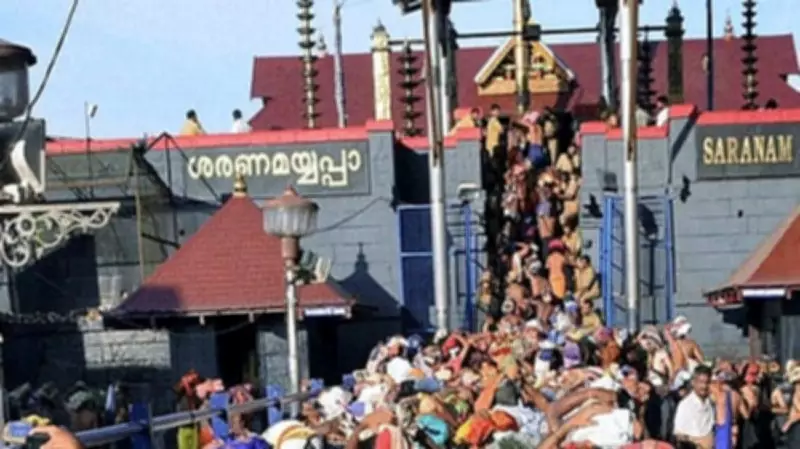
Travancore Devaswom Board to File Affidavit in Supreme Court Over Sabarimala Women Entry Issue
The Travancore Devaswom Board (TDB) has announced its decision to file an affidavit in the Supreme Court of India to safeguard the long-standing tradition at the Sabarimala temple concerning the entry of women. This move comes amid ongoing legal and social debates surrounding the issue, with the board aiming to uphold the current practices at the revered pilgrimage site.
Board Meeting Leads to Decision on Tradition
In a recent board meeting, TDB president K Jayakumar revealed that the matter of filing the affidavit was thoroughly discussed. The board unanimously resolved to take this step to maintain the existing tradition at Sabarimala, which restricts the entry of women of menstruating age. Jayakumar emphasized that this decision aligns with the board's commitment to preserving the temple's customs and rituals, which have been followed for centuries.
The affidavit is expected to outline the board's stance on the women entry issue, citing religious and cultural grounds. It will be submitted to the Supreme Court as part of the ongoing legal proceedings, where various petitions and counter-petitions have been filed regarding the temple's practices. The TDB's action underscores its proactive approach in defending the tradition amidst evolving societal norms and judicial scrutiny.

Background and Implications of the Sabarimala Controversy
The Sabarimala temple, located in Kerala, has been at the center of a heated controversy since the Supreme Court's 2018 verdict allowed women of all ages to enter the shrine. However, this ruling faced significant opposition from traditionalists and devotees, leading to protests and legal challenges. The TDB, which manages the temple, has consistently advocated for maintaining the status quo, citing the deity Lord Ayyappa's celibate nature and the temple's unique customs.
By filing this affidavit, the TDB seeks to reinforce its position in the Supreme Court, potentially influencing future judgments on the matter. The board's decision reflects a broader effort to balance religious freedom with constitutional rights, a complex issue that continues to spark debates across India. Legal experts anticipate that this move could set a precedent for how similar cases involving religious traditions are handled in the country's judiciary.
Next Steps and Public Reaction
Following the board meeting, the TDB is now preparing the affidavit, which will detail the historical and theological justifications for the tradition. Jayakumar stated that the board is committed to a lawful and respectful process, ensuring that all submissions are in compliance with court procedures. The affidavit is likely to be filed in the coming weeks, as the Supreme Court continues to hear related petitions.
Public reaction to this announcement has been mixed, with supporters of the tradition applauding the TDB's stance, while advocates for gender equality express disappointment. The issue remains a sensitive topic in Kerala and beyond, highlighting the ongoing tension between tradition and modernity in Indian society. As the legal battle unfolds, all eyes will be on the Supreme Court's response to the TDB's affidavit and its potential impact on the Sabarimala women entry issue.