Bengal Teacher Arrested After Fulfilling Mother's Eye Donation Wish
In a controversial incident that has ignited a fierce debate over police conduct and social stigma surrounding organ donation, a school teacher was arrested in Krishnagar, located in West Bengal's Nadia district, on Monday. The arrest followed a complaint from a neighbor alleging that the teacher, Amir Chand Sheikh, attempted to sell his deceased mother's corneas.
Mother's Last Wish Sparks Local Backlash
Rabiya Bibi passed away on February 8. Following her death, a medical team arrived to retrieve her corneas, an act that triggered a significant local backlash. A written complaint was filed by a neighbor and some family members, accusing Sheikh of selling her organs. Sheikh maintained that he was merely fulfilling his mother's last wish of eye donation.
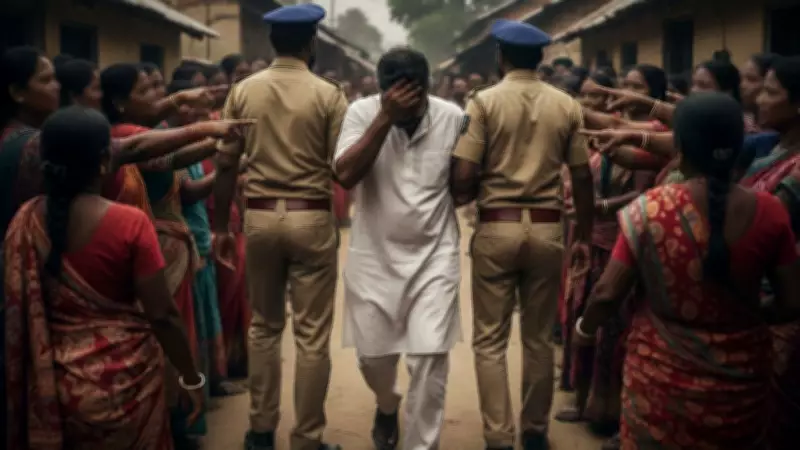
The situation quickly turned volatile as thousands of locals gathered, agitating and preventing Sheikh from taking the body for cremation. They demanded a post-mortem, alleging that the son had sold her key organs.

Police Action and Arrests Draw Criticism
According to sources, police arrived on the scene, initiated dialogue with the protestors, and shifted Sheikh to a room for safety. Later, a formal complaint was filed, leading to the arrest of Sheikh and four other family members, including three women and a man.
Activists have since produced a pledge certificate signed by Rabiya Bibi on October 17, 2024. The document confirms that she had pledged her eyes through Ganadarpan, a prominent NGO that has been advocating for organ donation since the 1970s.
Activists Condemn Police Premature Action
The arrests have drawn sharp criticism from social workers and human rights defenders, who claim the police acted prematurely and without conducting a basic investigation. Sudipta Saha Roy, general secretary of Ganadarpan, told the media, "We condemn the arrests. These people must be released immediately. Amir Chand Sheikh has actually been working to create awareness about organ donation."
Human rights activist Ranjit Sur added, "This shows how illiterate the police are regarding the law. They claimed the family couldn't produce the deceased's consent, but heirs' consent is what matters most in these cases. This will negatively impact organ donation efforts overall."
Teacher Attributes Ordeal to Local Malice
Outside the court, a distraught Sheikh attributed the ordeal to local malice. "It is nothing but jealousy of neighbors. Instead of praising us, our society is arresting us," he said.
Police Defend Actions Amid Volatile Situation
The police maintained that they were forced to act due to a specific criminal complaint and a volatile situation on the ground. Sambhab Jain, Additional Superintendent of Police (headquarters), stated that while they are now aware of the family's defence and the surfacing documents, "Selling organs is a heinous crime" and must be investigated.
Krishnanagar SP K Amarnath explained, "The complaint was of a serious nature. A section of the family alleged that the organs were sold off. There was a massive protest and an attempt to lynch the accused, so the police safely removed them and produced them before the court."
Court Orders and Awareness Initiatives
The Krishnagar court has remanded Sheikh and other family members to judicial custody for three days while the investigation continues. The post-mortem report confirmed that no other organs are missing, apart from the corneas.
SP Amarnath noted, "Seems like there is no awareness regarding organ donation in the area. With the local NGO, we are now going to organise organ donation-related awareness programmes."
This case highlights the urgent need for better education and understanding of organ donation laws and practices in India, as misconceptions and stigma continue to hinder noble efforts.