

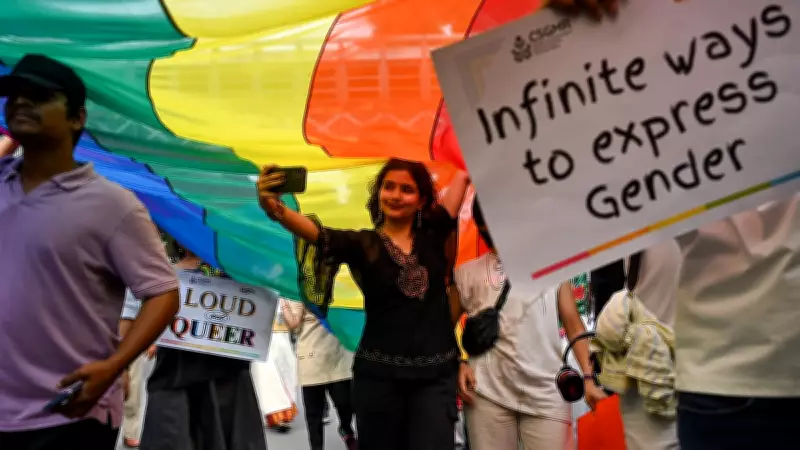
Transgender Rights Bill 2026: A Controversial Exclusion of Key Voices
The proposed Transgender Rights Bill of 2026 has ignited a heated debate across India, with critics questioning whether it genuinely promotes freedom of gender choice or imposes restrictive legal controls. At the heart of the controversy is the bill's development process, which notably excluded consultations with two pivotal institutional bodies dedicated to transgender rights.
Lack of Consultation with Key Stakeholders
According to reports, the bill was drafted without input from the National Council for Transgender Persons (NCTP) and a Supreme Court-appointed committee, both of which have been actively engaged in advancing transgender rights in the country. This omission has raised serious concerns about the bill's legitimacy and alignment with the needs of the transgender community.
Arvind Narrain, a prominent legal expert, highlighted this issue in a statement dated March 28, 2026, emphasizing that the exclusion undermines the collaborative efforts required for effective legislation. The NCTP, established to advise the government on transgender issues, and the Supreme Court committee, formed to implement judicial directives on transgender rights, are seen as essential voices in shaping such policies.

Debate Over Intent and Impact
The bill's provisions are under scrutiny, with advocates arguing that it may inadvertently limit the very freedoms it aims to protect. Proponents of transgender rights fear that without input from these key bodies, the legislation could impose bureaucratic hurdles or narrow definitions of gender identity, rather than fostering an inclusive environment.
On the other hand, supporters of the bill contend that it represents a step forward in formalizing legal protections for transgender individuals in India. However, the lack of consultation has cast a shadow over these intentions, leading to calls for a more transparent and participatory legislative process.
Historical Context and Future Implications
This development comes against the backdrop of India's evolving stance on LGBTQ rights, including the landmark 2014 Supreme Court ruling that recognized transgender people as a third gender. The 2026 bill is intended to build on this progress, but the exclusion of the NCTP and Supreme Court committee suggests a potential disconnect between policymakers and grassroots realities.
As the bill moves through the Lok Sabha and other legislative channels, stakeholders are urging the government to reconsider its approach. Ensuring that the voices of those most affected are heard is crucial for crafting a law that truly empowers rather than controls.
In summary, the Transgender Rights Bill of 2026 stands at a crossroads, with its future impact hinging on whether it embraces inclusivity or perpetuates exclusion. The ongoing debate underscores the importance of collaborative governance in addressing complex social issues.






