

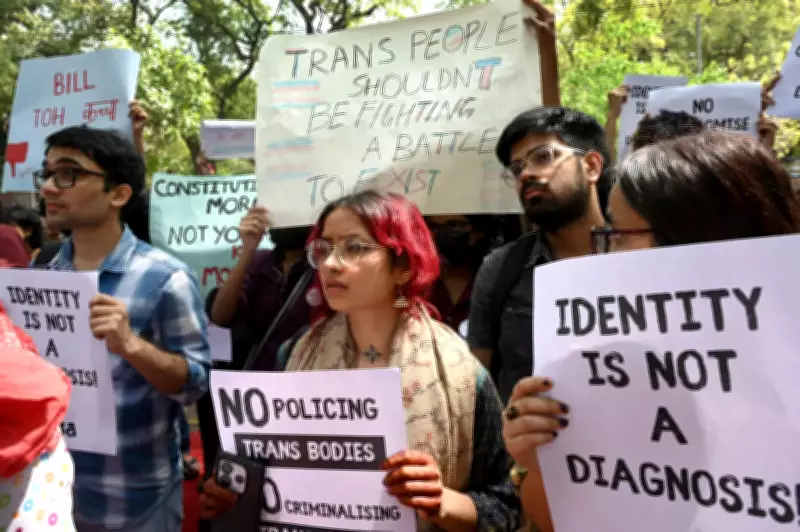
Transgender Rights Amendment Bill 2026 Ignites Nationwide Controversy
The Transgender Persons (Protection of Rights) Amendment Bill, 2026 has become one of the most polarizing legislative proposals in recent memory. From the hallowed corridors of Parliament to vibrant protest sites and the dynamic digital landscape of social media platform X, this Bill has triggered a comprehensive cultural and rights-based debate that touches on fundamental questions of identity and dignity.
The Historic NALSA Judgment and Its Legacy
The National Legal Services Authority (NALSA) versus Union of India judgment from 2014 stands as a landmark Supreme Court decision that legally recognized transgender persons as a distinct 'third gender' category within India. This groundbreaking verdict affirmed that transgender individuals possess the constitutional right to self-identify their gender as male, female, or third gender without being compelled to undergo Sex Reassignment Surgery (SRS).
The judgment explicitly protected their fundamental rights under Articles 14, 15, 16, 19, and 21 of the Indian Constitution. It directed both central and state governments to implement comprehensive welfare measures, provide reservations in education and employment sectors, and actively address systemic discrimination faced by the transgender community.

Key Provisions of the 2026 Amendment Bill
The proposed amendment introduces several significant changes that have become flashpoints in the ongoing debate:
- Medical Certification Requirement: The Bill eliminates the self-identification process established by NALSA. Instead, identity certification would now involve assessment by a medical board rather than personal declaration.
- Narrower Definitional Scope: The legislation shifts focus toward specific socio-cultural groups such as hijra and kinner communities, along with intersex conditions. This narrower definition potentially leaves many trans men, trans women, and genderqueer individuals in legal limbo.
- Enhanced Penal Provisions: The amendment introduces stricter penalties and harsher punishments for forced transitions and exploitation of transgender persons.
Widespread Protests and Community Concerns
While the government has positioned the Bill as creating a scientific, fraud-proof system that ensures benefits reach what they term the "genuinely marginalized," on the ground, the legislation strikes at something more profound: the fundamental question of who possesses the authority to define personal identity.
Across social media platform X, the dominant sentiment reflects profound anger and concern, particularly from the transgender community and their allies. Phrases like "black day," "rollback of rights," and "existential panic" have proliferated across digital platforms. Activists argue vehemently that the Bill violates the spirit and letter of the NALSA judgment, replacing dignity with bureaucratic gatekeeping.
Prominent handles such as @YesWeExistIndia have highlighted how entire sections of the transgender community risk becoming legally invisible under the proposed framework. Hashtags including #RejectTransBill2026 and #NoGoingBack have trended nationally as community members express deep concerns about potentially losing access to welfare benefits, legal identity recognition, and essential protections.
The Road Ahead: Legal Challenges and Political Standoff
The battle surrounding this legislation appears far from concluded. While legal challenges citing violation of the NALSA judgment appear inevitable, the government maintains a firm stance, framing the Bill as necessary reform rather than rights rollback. Activists and community organizations are simultaneously pushing for comprehensive judicial review and broader stakeholder consultation before any legislative action.
This unfolding drama represents more than just policy disagreement—it embodies a fundamental clash between different visions of identity, rights, and recognition in contemporary India. The outcome will likely shape transgender rights and recognition for generations to come, making this one of the most significant civil rights debates of the decade.






