

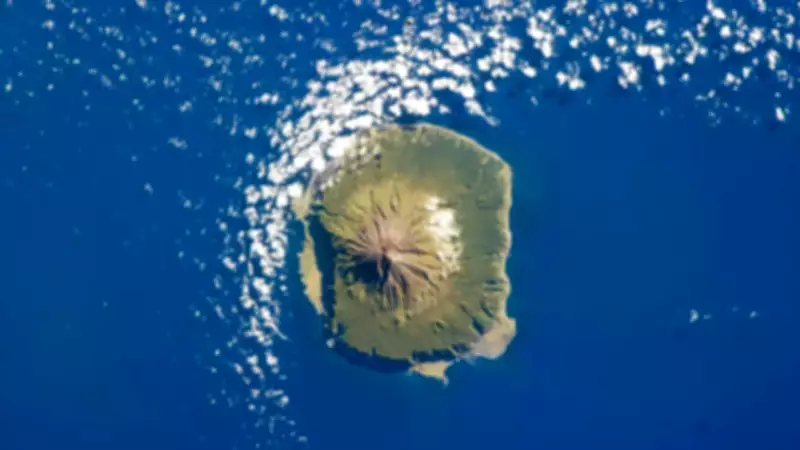
Tristan da Cunha: The World's Most Isolated Inhabited Island
Tristan da Cunha stands as the world's most isolated inhabited island, situated a staggering 1500 miles from the nearest landmass. This remote outpost lacks an airport, and its harbor is frequently battered by powerful waves, making access a formidable challenge. With a population of just 242 residents, this community has mastered the art of isolation, demonstrating remarkable resilience in the face of extreme conditions.
Historical Challenges and Resilience
In 1961, the island faced a catastrophic volcanic eruption from Mount Pinta, forcing all inhabitants to evacuate via a perilous boat journey to the United Kingdom. Research published by the Royal Society revealed that while the islanders adapted to life in the UK, they struggled through harsh winters and lacked immunity to modern flu strains. In a historic election during the 1960s, an overwhelming 148 out of 153 voters chose to return home, formally rejecting the consumer-driven society of 1960s England and reaffirming their commitment to their isolated homeland.
Economic Foundations of a Remote Civilization
According to the Royal Society for the Protection of Birds (RSPB), approximately 80% of the island's income derives from the Tristan Rock Lobster (Jasus tristani) fishery. This fishery holds Marine Stewardship Council (MSC) certification, ensuring sustainable practices and preventing overfishing. In a significant development, the island has awarded long-term fishing concessions to Fortuna Ltd., a company based in the Falkland Islands. These contracts, set to commence in 2027, include a $1.2 million agreement and the operation of a dedicated passenger and cargo vessel, addressing long-standing issues with unreliable transport.

Beyond fishing, the island generates substantial revenue from international collectors who purchase rare stamps and coins, alongside a niche but high-value tourism market. These diverse income streams are crucial for sustaining the community's unique way of life.
The World's Largest Marine Protection Zone
In 2020, the local population approved the creation of a Marine Protection Zone (MPZ), designating 90% of their marine territory as protected. This MPZ spans an impressive 687,000 square kilometers, making it the largest fully protected area within the Atlantic Ocean. It serves as a biodiversity hotspot, safeguarding critical breeding grounds for endangered species such as the Northern Rockhopper Penguin and the Sooty Albatross. This initiative is a collaborative effort with the Blue Nature Alliance and the Royal Society for the Protection of Birds (RSPB), highlighting the island's commitment to environmental conservation.
Daily Life and Future Prospects
Living on Tristan da Cunha involves navigating unique social, economic, and communication challenges, with the rest of the world an entire ocean away. Residents endure weeks-long waits for supply ships and rely on limited connectivity. However, the community's resilience shines through, as they balance traditional practices with modern sustainability efforts. The upcoming fishing concessions and continued focus on eco-tourism and conservation projects promise to enhance their self-sufficiency and global relevance.
This isolated island offers a fascinating glimpse into human adaptability and environmental stewardship, proving that even the most remote communities can thrive through innovation and determination.






