ACB/EOW Nabs Two Fugitive Revenue Officials in Major Bharatmala Land Compensation Scam
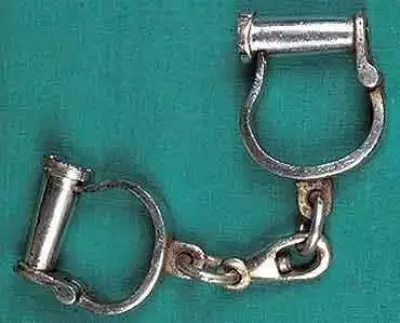
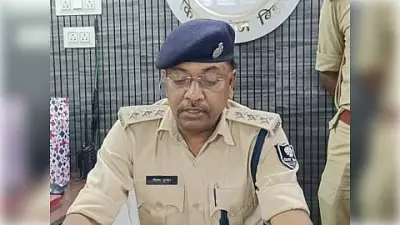
In a significant development, the Anti-Corruption Bureau/Economic Offences Wing (ACB/EOW) has successfully apprehended two absconding revenue officials who were wanted in connection with an alleged Rs 32 crore land compensation scam linked to the Raipur–Visakhapatnam economic corridor. The arrests mark a crucial breakthrough in a case that has exposed deep-seated corruption within the state's land acquisition processes.
Coordinated Fraud Unraveled Through Forged Records
The accused officials, identified as Shashikant Kurre, the then tehsildar of Abhanpur, and Lakheshwar Prasad Kiran, the then naib tehsildar of Gobra-Nawapara, had been evading authorities since the agency registered a case last year. Their arrest comes after a thorough investigation into alleged irregularities in land demarcation, mutation, and ownership transfers in villages under Abhanpur during the land acquisition phase for the highway project in 2021–22.
Investigators have revealed that the duo misused their official positions to orchestrate a sophisticated fraud scheme. They are alleged to have conspired with subordinate staff, including patwaris and revenue inspectors, as well as land brokers and other private players, to fabricate and alter revenue records systematically.

Manipulation of Land Acquisition Processes
The scam involved manipulating the entire land acquisition process for the Bharatmala project, which is part of the broader Raipur–Visakhapatnam economic corridor. By forging documents and tampering with official records, the accused officials managed to siphon off Rs 32 crore from the state exchequer. This fraudulent activity not only resulted in significant financial losses but also undermined the integrity of public infrastructure development initiatives.
ACB/EOW officials emphasized that the arrests were made possible through coordinated efforts and persistent tracking of the fugitives. The case highlights the vulnerabilities in land compensation mechanisms and the need for stricter oversight to prevent such malpractices in future projects.
As the investigation continues, authorities are expected to delve deeper into the network of accomplices involved, aiming to recover the misappropriated funds and ensure justice is served. This incident serves as a stark reminder of the challenges in combating corruption within government systems, particularly in high-stakes infrastructure projects.