UK Court Awards $4.1 Million to Saudi-Born YouTuber in Landmark Ruling Against Kingdom
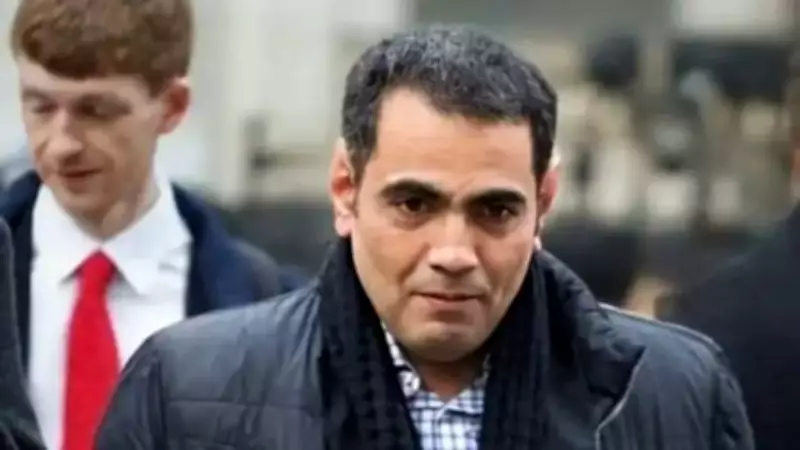
In a significant legal development, a UK court has ruled that the Kingdom of Saudi Arabia was behind the hacking and physical assault of Saudi-born YouTuber and comedian Ghanem al-Masarir, awarding him a substantial compensation of £3,025,662.83, equivalent to approximately $4.1 million. The 45-year-old satirist, who has amassed over 345 million views on his YouTube channel through videos critically targeting the Saudi royal family, particularly Crown Prince Mohammed bin Salman, emerged victorious in this high-profile case that underscores the global reach of state-sponsored surveillance and intimidation.
From Comedy to Target: The Journey of Ghanem al-Masarir
Born in Saudi Arabia, Al-Masarir has resided in Britain for more than two decades, making his home in Wembley. Over the years, he built a successful comedy career, leveraging YouTube as a platform to produce satirical content that mocked and criticized the Saudi government and its leadership. His sharp wit and bold commentary quickly garnered a massive following, but also made him a prime target for retaliation. The court found that Saudi Arabia had a clear interest and motivation to "shut down the claimant's public criticism of the Saudi government," as stated by Mr Justice Saini in the written judgement.
The Harrowing Ordeal of Surveillance and Assault
Al-Masarir's troubles began in 2018 when he noticed unusual behavior with his iPhones. According to a BBC report, the devices became sluggish, with batteries draining rapidly. This was soon followed by a series of disturbing incidents where he was stalked and harassed by individuals in various parts of London. Supporters of the Saudi regime would stop him on the streets, filming and intimidating him, leading him to suspect that his phone was being used to track his movements.
"It was something that I couldn't comprehend. They can see your location. They can turn on the camera. They can turn on the microphone and listen to you. They got your data, all pictures, everything. You feel you've been violated," Al-Masarir recounted to the outlet, describing the profound sense of intrusion he experienced.
The situation escalated when he clicked on links in three text messages, purportedly from news outlets offering special membership deals, which led to the hacking of his devices. Later in 2018, he was assaulted in central London by two strangers who approached him, demanded to know his identity for criticizing the royal family, and punched him in the face. As bystanders intervened, the attackers labeled him a "slave of Qatar" and threatened to "teach him a lesson."
Continued Intimidation and Legal Proceedings
The harassment did not cease after the assault. In 2019, while at a café in Kensington, a child approached Al-Masarir and sang a song praising Saudi King Salman. This incident was filmed, shared on social media, and even broadcast on state-owned television in Saudi Arabia. On the same day, a man confronted him at a restaurant in west London, warning, "Your days are numbered," further amplifying the climate of fear.
In the court hearings, Mr Justice Saini emphasized that "there is a compelling basis" to conclude that both the hacking and the assault were directed or authorized by Saudi Arabia or its agents. Spyware experts from the University of Toronto's Citizen Lab confirmed that Al-Masarir's phones had been compromised using Pegasus spyware, a powerful hacking tool developed by the Israeli company NSO Group, known for its use in state-level surveillance operations.
The Aftermath and Unresolved Questions
Despite the court's ruling in his favor, Al-Masarir expressed that the ordeal has left lasting scars. "No amount of money can repay the harm this has done to me. The hack has really changed me. I am not the same Ghanem I used to be," he lamented, noting that he now rarely ventures far from his home due to ongoing anxiety and trauma.
The compensation award, while substantial, remains uncertain in terms of enforcement, as Saudi Arabia has not participated in any of the legal proceedings. This raises questions about whether the regime will comply with the judgement and pay the awarded amount. The case sets a precedent in holding foreign governments accountable for extraterritorial actions against critics, highlighting the intersection of digital security, human rights, and international law in an increasingly interconnected world.