UP Traffic Directorate Organizes Two-Day Workshop to Enhance Road Safety
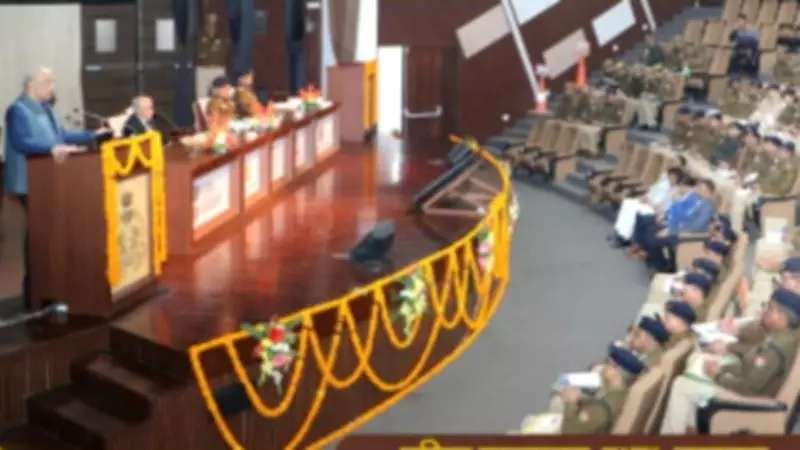
The Uttar Pradesh Traffic Directorate, in collaboration with the Institute of Road Traffic Education (IRTE) from Faridabad, Haryana, has successfully conducted a comprehensive two-day workshop at the UP Police headquarters. This initiative is strategically designed to bolster road safety protocols across the state, addressing the critical need for reduced accident rates through advanced training and awareness.
Focus on Five Pillars of Road Safety
Organized under the leadership of UP Director General of Police (DGP) Rajeev Krishna, the workshop places a strong emphasis on the five essential pillars of road safety: education, enforcement, engineering, emergency care, and environment. DGP Krishna highlighted that continuous public awareness campaigns and effective enforcement mechanisms are paramount in achieving significant reductions in road accidents. He advocated for year-round awareness efforts, moving beyond the limited scope of November, which is traditionally designated as 'Traffic Month'.
Training for Senior Traffic Officers
The workshop provided specialized training to a total of 154 participants, including 44 senior traffic officers, 55 traffic inspectors and sub-inspectors, and 55 critical corridor team in-charges from all 55 districts of Uttar Pradesh. The training sessions were led by Dr. Rohit Baluja, President of IRTE, along with his expert team, focusing on the latest methodologies in road accident investigation. Dr. Baluja stressed the importance of scientific, fact-based investigations supported by technical evidence, rather than relying on vague terms like "over-speeding" or "negligence".

Zero Fatality District Scheme and Success Stories
In alignment with the workshop's objectives, the Zero Fatality District (ZFD) scheme was launched in November to prevent and minimize road accident fatalities. The first phase identified 89 critical corridors and 3,233 critical crash locations across 242 police stations in 20 districts. Due to positive outcomes, the second phase has now expanded to include 245 critical police stations in the remaining 55 districts, targeting areas with the highest accident rates.
DGP Krishna shared encouraging results from pilot projects on routes such as Aligarh–Bulandshahr, Kanpur–Hamirpur, and Lucknow–Sitapur. Through focused patrolling and in-depth accident cause analyses, these corridors witnessed accident reductions ranging from 30 percent to 58 percent within just two months. He emphasized the necessity of penalizing every traffic violation without fail to establish strict adherence to traffic rules.
Future Initiatives and Technological Integration
Looking ahead, DGP Krishna discussed plans to enhance the effectiveness of "Zero Fatality Corridors" by introducing mobile alerts for over-speeding and optimizing the use of AI cameras and automated challan systems. Additionally, he proposed installing permanent hoardings at black spots with municipal cooperation and leveraging social media for broader promotion of safety measures.
Dr. Baluja further suggested integrating the Bharatiya Nyaya Sanhita (BNS) with the Motor Vehicles Act to strengthen legal frameworks for road safety cases. This holistic approach aims to create a safer driving environment through combined efforts in training, technology, and legal reinforcement.
In summary, this workshop marks a significant step forward in Uttar Pradesh's commitment to road safety, equipping officers with modern tools and strategies to tackle accident prevention proactively.