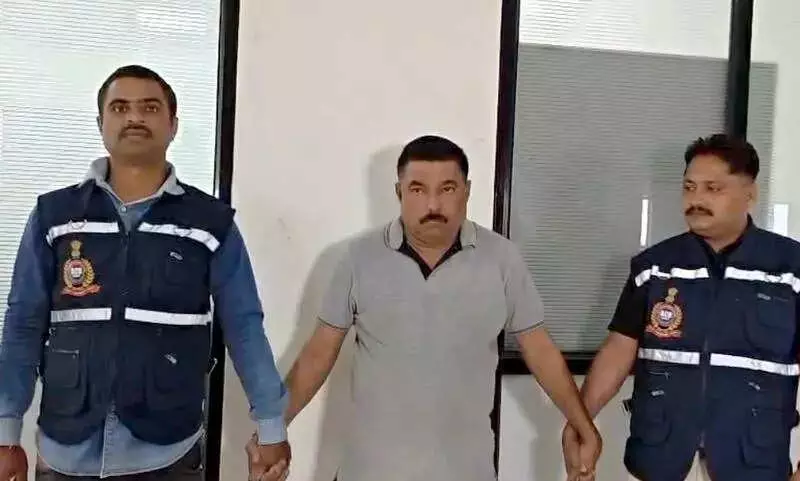
The Anti-Corruption Bureau (ACB) made a significant arrest in Vadodara late on Thursday night, apprehending a trader for allegedly accepting a bribe of Rs 2.5 lakh. The accused, identified as Suresh Tolani, reportedly told the complainant that he was collecting the money on behalf of a police officer.
The Trap and Arrest
According to officials, the ACB laid a meticulous trap after receiving a formal complaint. Tolani was caught red-handed while accepting the cash from the complainant at a shop located in the city's Wadi area. He has been formally booked under the stringent Prevention of Corruption Act. The investigation has now been taken over by the ACB's Gandhinagar unit for further proceedings.
How the Bribery Plot Unfolded
The case originated from a complaint filed by an individual at the Warasia police station against a builder accused of illegal construction. After lodging this complaint, the individual was approached by Suresh Tolani. Tolani, claiming to have close ties with the Warasia police inspector, allegedly offered to ensure the registration of a First Information Report (FIR) in the case for a price.

An ACB official stated that the accused demanded a total of Rs 5 lakh for this service. "The accused asked for Rs 2.5 lakh in advance and the remaining amount after the FIR was filed," the official revealed. Unwilling to succumb to the extortion, the complainant wisely chose to approach the Anti-Corruption Bureau instead, setting the stage for the trap.
Ongoing Investigation and Wider Implications
The ACB has confirmed that its probe is not limited to the arrested trader. Investigators are actively probing the possible involvement of the Warasia police inspector mentioned by Tolani during the deal. This angle is crucial to determine if the trader was acting alone or as part of a larger nexus.
This arrest highlights the ongoing vigilance of the ACB in Gujarat against corruption. It also serves as a reminder to the public about the proper channels to report such illegal demands, reinforcing that law enforcement agencies are the correct avenue for redressal, not private intermediaries.