Jailed Activist Sonam Wangchuk Undergoes Medical Tests at AIIMS Jodhpur After Supreme Court Order
In a significant development, jailed Ladakhi activist Sonam Wangchuk was taken to the All India Institute of Medical Sciences (AIIMS) in Jodhpur for a comprehensive medical examination early on Saturday morning. This move came in strict compliance with directives issued by the Supreme Court of India, which had intervened following concerns raised about Wangchuk's deteriorating health while in custody.
Background of the Supreme Court Intervention
The Supreme Court's involvement stemmed from a petition filed by Wangchuk's wife, Geetanjali Aagmo, who expressed serious apprehensions about her husband's well-being in Jodhpur Central Jail. Wangchuk has been incarcerated at this facility since September 27 of last year, and his family has consistently voiced worries over the conditions of his confinement.
In her petition, Aagmo highlighted specific allegations regarding Wangchuk's health, claiming that it was declining due to exposure to contaminated water and a general lack of proper medical facilities within the prison. She argued that these substandard conditions were directly contributing to his persistent health issues, particularly stomach pain.

Court Hearing and Conflicting Submissions
During the hearing on February 2, the Supreme Court sought a detailed medical report on Wangchuk's condition. The additional solicitor general, representing the authorities, countered the family's concerns by stating that jail doctors had examined Wangchuk 21 times over the past four months, with the most recent check-up conducted on January 26.
However, Wangchuk's counsel, the eminent lawyer Kapil Sibal, strongly objected to this submission. Sibal reiterated that his client was suffering from ongoing stomach pain, which he attributed directly to the poor quality of water available in the jail. This contention underscored the urgency of an independent medical assessment.
Execution of the Supreme Court Directive
In response to these arguments, the Supreme Court issued a clear directive to the jail administration. The court ordered that Wangchuk be immediately examined by specialist doctors and that a comprehensive report be submitted for judicial review. Following this order, a police contingent escorted Wangchuk to AIIMS Jodhpur around 6:30 AM on Saturday.
At the hospital, a dedicated team of gastroenterologists and other medical specialists conducted a series of tests on Wangchuk. The examination process, which focused on his gastrointestinal health and overall condition, lasted approximately two hours. After the tests were completed, he was promptly returned to Jodhpur Central Jail.
Security Arrangements and Future Steps
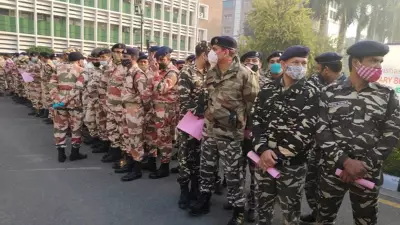
Given Sonam Wangchuk's prominence as an activist and the sensitive nature of the case, authorities implemented heavy police deployment at AIIMS Jodhpur during his visit. This security measure was designed to prevent any potential disruptions and to ensure that ordinary patients at the hospital faced no inconvenience. The early morning timing of the visit was also strategically chosen to minimize security risks and maintain smooth hospital operations.
The jail administration is now tasked with submitting the detailed medical report directly to the Supreme Court. Based on the findings of this report, the court is expected to make further decisions regarding Wangchuk's medical treatment and possibly the conditions of his imprisonment. This could include recommendations for improved facilities or specialized care to address the health concerns raised in the petition.
This case highlights the ongoing judicial oversight of prisoner welfare in India, particularly when health and safety allegations are brought before the courts. The Supreme Court's proactive stance in ordering an independent medical examination underscores the importance of safeguarding the rights and well-being of individuals in custody, regardless of the charges against them.