

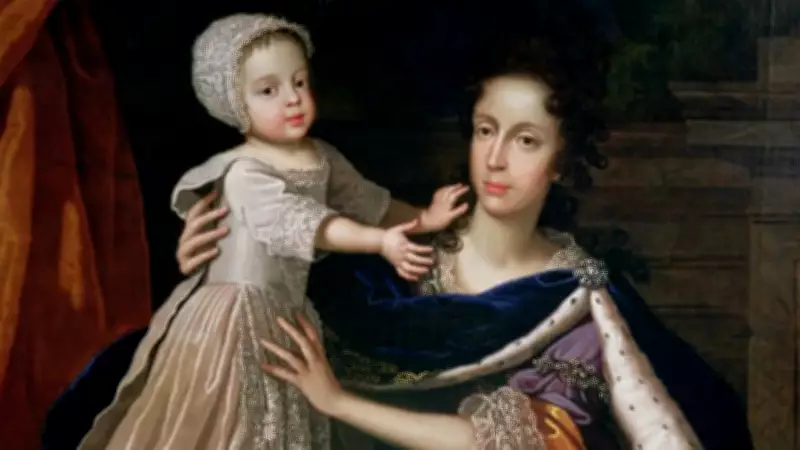
The Warming Pan Scandal: A Royal Birth Turned Political Theatre in 1688
On June 10, 1688, the birthing room at St James's Palace transformed into a chaotic diplomatic arena, with over 70 people crammed inside to witness the legitimacy of the Catholic heir. This unprecedented breach of royal privacy was a desperate move by King James II, who aimed to counteract rampant rumors about his wife's pregnancy. Among the crowd, at least 42 were high-ranking government officials, specifically invited to limit claims of exclusion by political enemies.
Queen Mary of Modena's Distress and Humiliation
The room was so overcrowded that Queen Mary of Modena recorded her acute distress and physical overwhelm after giving birth. Far from offering comfort, many attendees, including representatives of her stepdaughter Princess Anne, acted as spies, scrutinizing the event for evidence of fraud. Mary felt 'under siege,' humiliated by the presence of dozens of political sceptics who doubted the authenticity of her child.
The 'Warming Pan' Conspiracy That Shook the Monarchy
Despite the large witness count, a highly successful fake news campaign emerged, known as the 'Warming Pan Scandal.' Opponents of the Catholic monarchy spread a wild conspiracy theory that the Queen's child had died at birth and was replaced by an infant smuggled in a hollow brass warming pan—a common household item for heating bedsheets. This narrative, though physically implausible, gained traction, providing the Protestant aristocracy with a moral justification to challenge the king's rule.

King James II's Failed Attempt to Salvage Reputation
In a last-ditch effort to save his son's throne, James II convened all 70 witnesses before the Privy Council on October 22, 1688. Their sworn testimonies were published as the 'Depositions,' but according to The Royal Collection Trust, the damage was irreparable. The 'warming pan' rumor had already motivated public support for William of Orange's invasion, leading to the Glorious Revolution.
The Aftermath: Exile and the 'Old Pretender'
The scandal served as the necessary excuse for the Protestant elite to invite William of Orange to invade, triggering the king's exile. Mary of Modena was forced to flee to France in disguise with her infant, who later became known as the 'Old Pretender'—a king in name only who never reclaimed his father's throne. This event remains a stark example of how political intrigue can overshadow even the most witnessed of royal occasions.






