In a startling incident highlighting the tense political climate in Pakistan, police in Lahore arrested several guests at a wedding ceremony for the simple act of displaying a picture of the country's imprisoned former Prime Minister, Imran Khan. The event, which took place in the city's densely populated Ichhra area, underscores the severe crackdown on supporters of Khan's Pakistan Tehreek-e-Insaf (PTI) party.
The Incident at the Wedding Hall
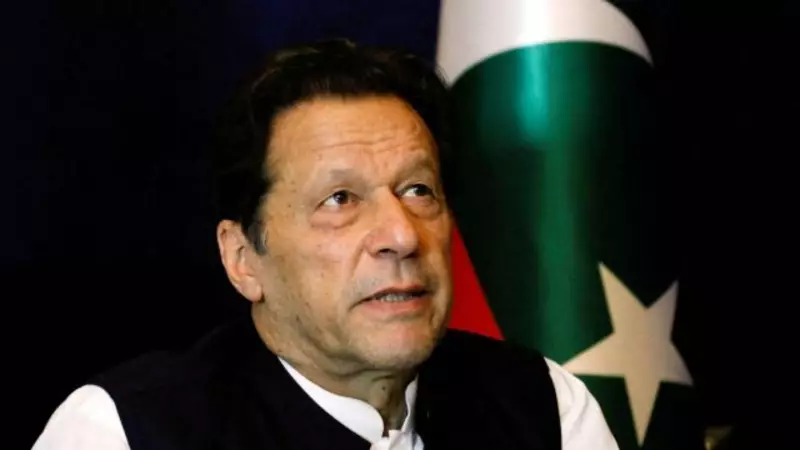
The trouble began on the evening of Saturday, May 18, at a local wedding venue. According to reports from Pakistani media and police officials, a group of guests initiated political chants in favor of Imran Khan. The situation escalated when they prominently displayed a large photograph of the former cricket star turned politician.
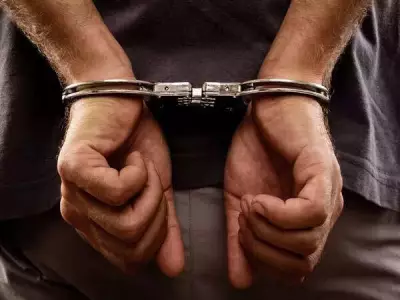
Local law enforcement, acting on information received, swiftly arrived at the scene. The police confirmed the arrest of multiple individuals from the wedding gathering. While the exact number of detainees was not immediately specified, the action was justified under the claim of preventing a potential breach of peace and stopping "provocative" actions.
This event is not an isolated case but part of a broader pattern. For months, authorities across Pakistan have aggressively moved to suppress any public show of support for Imran Khan, who has been incarcerated since August of the previous year following a conviction in a case involving state secrets.
A Pattern of Political Suppression
The arrest of wedding guests for displaying a political leader's picture points to the extreme sensitivity surrounding Imran Khan's popularity. The PTI party, despite facing a relentless state crackdown, continues to command significant public loyalty. Authorities have employed various tactics to quell this support, including:
- Banning political rallies and gatherings of PTI supporters.
- Arresting party workers and leaders on various charges.
- Strict censorship of Khan's image and speeches in mainstream media.
- Disrupting social media campaigns that promote the PTI agenda.
The incident at the Ichhra wedding hall demonstrates how this suppression has permeated even personal and social events, blurring the lines between public political activity and private expression.
Legal Context and Public Reaction
Imran Khan's legal troubles are extensive. He was sentenced to 10 years in prison in the cipher case in January 2024, with an additional 14-year sentence in a corruption case related to state gifts. Furthermore, in February 2024, he received a seven-year sentence for violating marriage laws. These consecutive convictions are widely perceived by his supporters and many international observers as politically motivated, aimed at eliminating his influence from the electoral arena.
The arrest of citizens at a celebratory function like a wedding has sparked outrage and disbelief on social media and among human rights advocates. Critics argue that such heavy-handed policing represents a severe infringement on fundamental rights of expression and assembly. It raises serious questions about the state of civil liberties and democratic norms in Pakistan under the current administration.
The PTI party has consistently denounced these arrests as acts of desperation by a government afraid of Khan's enduring public appeal. They frame the crackdown as an attempt to dismantle the country's largest political party through fear and intimidation ahead of any future electoral process.
Broader Implications for Pakistan
This episode is a microcosm of the deep political instability gripping Pakistan. The confrontation between the powerful military establishment, the current government, and the populist movement led by the jailed Imran Khan shows no signs of abating. The decision to police private celebrations indicates the depth of the state's concern over symbolic acts of dissent.
Analysts suggest that such measures may further alienate the public and fuel resentment, potentially leading to more unrest. The targeting of ordinary citizens in social settings could also have a chilling effect, stifling any form of political discourse not sanctioned by the authorities.
As Pakistan navigates a severe economic crisis and security challenges, the intense focus on suppressing political opposition, as evidenced by the wedding hall arrests, adds another layer of complexity to its troubled governance landscape. The world watches to see how this balance between control and freedom will evolve in the coming months.