X Defends Satire and Free Speech in Court Against Ramdev's AI Impersonation Lawsuit
Social media platform X, formerly known as Twitter, presented a strong argument in the Delhi High Court on Tuesday, opposing what it termed as "indiscriminate" blocking orders issued by courts. The company emphasized that content falling under satire, fair comment, and public speech should be legally protected, asserting that such protections are fundamental to a functioning democracy.
Legal Stand Against Personality Rights Claims
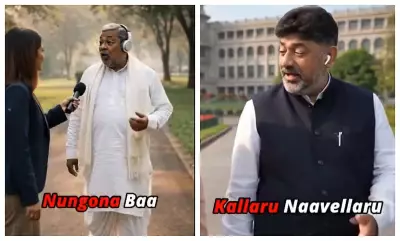
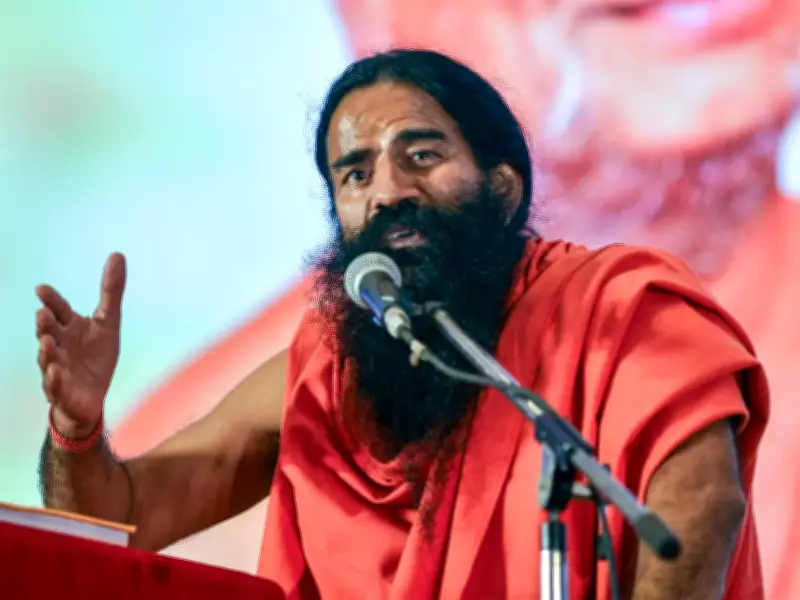
The microblogging site took this stance while contesting a lawsuit filed by renowned Yoga guru Baba Ramdev. The lawsuit alleges widespread misappropriation and commercial exploitation of his personality, image, and identity across various online and social media platforms, primarily through AI-generated content. X's counsel argued against invoking personality rights in such cases, highlighting a specific meme mentioned in Ramdev's suit as an example of protected satire.
The counsel for X stated: "This is purely satire. How does this violate personality rights? I fail to understand. This is protected. Satire, fair comment, and public speech are protected from personality rights. Satire is part of democracy. There is no democracy without free speech." This submission was made before Justice Jyoti Singh, underscoring the platform's commitment to upholding free expression.
Concerns Over Chilling Effects on Internet Freedom
X's legal representative further contended that allowing Ramdev's "feelings" to dictate content removal could lead to a blanket sanitization of the internet. Such actions, they warned, have a chilling effect on freedom of speech, potentially stifling legitimate discourse and creative expression. The argument centered on the balance between protecting individual rights and preserving the open nature of digital platforms.
In response, both X and Meta confirmed that they had already taken down certain offending content identified in the lawsuit. However, Ramdev's counsel argued that the platforms should ensure fairness, as the content in question was damaging his reputation. The lawsuit elaborated on this point, stating: "The pattern of AI-manipulation and impersonation carries the risk of irreversible dilution of the plaintiff's spiritual persona... warrants heightened protection."
Broader Implications for Online Content Regulation
This case highlights ongoing tensions between digital rights and personal protections in the age of artificial intelligence. As AI-generated content becomes more prevalent, courts and platforms face increasing challenges in regulating misuse while safeguarding free speech. The Delhi High Court's decision could set a significant precedent for how similar disputes are handled in the future, influencing content moderation policies across social media.
The legal proceedings continue, with both sides presenting detailed arguments. The outcome may reshape the landscape of online expression and personality rights in India, emphasizing the need for nuanced approaches that consider both individual grievances and broader democratic values.