Muhammad Yunus Faces Backlash in Bangladesh After Controversial Farewell Speech
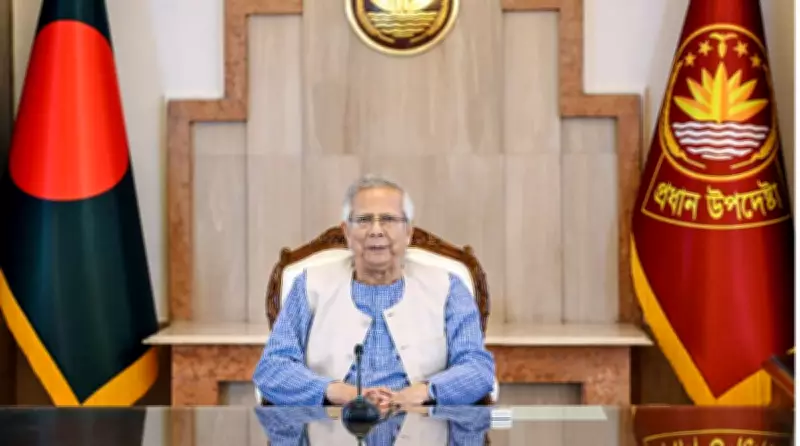
Nobel Peace Prize laureate Muhammad Yunus has ignited a firestorm of criticism in Bangladesh following a departing speech where he made pointed remarks about India, specifically referencing the country's northeastern region known as the "Seven Sisters." The speech, delivered as Yunus concluded a public engagement, has drawn sharp rebukes from various quarters within Bangladesh, including political figures and civil society groups.
Yunus's Speech Rakes Up Sensitive Issues
In his address, Yunus, a renowned microfinance pioneer and social entrepreneur, delved into geopolitical tensions by commenting on India's northeastern states—Arunachal Pradesh, Assam, Manipur, Meghalaya, Mizoram, Nagaland, and Tripura—collectively termed the Seven Sisters. Observers noted that his language was unusually critical, with some describing it as "venomous" in tone, as he raised concerns about regional dynamics and India's policies in the area.
The speech comes at a time when Yunus has been facing increasing scrutiny and backlash within Bangladesh over his business practices and political stance. Recent months have seen growing public and governmental pressure on his Grameen Bank and associated ventures, with allegations of financial mismanagement and overreach. This context has amplified the reaction to his latest comments, with many viewing them as an attempt to deflect attention or rally international support.
Reactions from Bangladesh and Beyond
The response in Bangladesh has been swift and largely negative. Political leaders from both ruling and opposition parties have condemned Yunus's speech, accusing him of meddling in foreign affairs and undermining Bangladesh's diplomatic relations with India, a key neighbor and economic partner. Social media platforms have been abuzz with debates, with some users expressing disappointment in the Nobel laureate, while others defended his right to free speech.
Internationally, the remarks have garnered attention in Indian media, with analysts speculating on the potential impact on bilateral ties. India has historically maintained close relations with Bangladesh, and Yunus's comments could strain these ties if perceived as interference. However, official responses from the Indian government have been measured, focusing on the importance of regional cooperation and stability.
Background on Yunus's Challenges in Bangladesh
Muhammad Yunus, awarded the Nobel Peace Prize in 2006 for his work in microcredit through Grameen Bank, has long been a polarizing figure in Bangladesh. In recent years, he has faced legal battles and public criticism over allegations of tax evasion and mismanagement within his organizations. The Bangladeshi government has taken steps to increase oversight of Grameen Bank, leading to tensions between Yunus and state authorities.
This latest incident adds to his woes, as it risks alienating supporters and exacerbating existing conflicts. Critics argue that his speech was ill-timed and irresponsible, given the sensitive nature of India-Bangladesh relations and the internal challenges he faces. Supporters, however, contend that Yunus was merely exercising his freedom of expression and highlighting important regional issues.
Implications for Regional Diplomacy
The fallout from Yunus's speech underscores the delicate balance in South Asian geopolitics. Bangladesh and India share a complex history, with cooperation on trade, security, and water resources, but also occasional disputes over borders and migration. Yunus's comments could fuel nationalist sentiments on both sides, potentially complicating diplomatic efforts.
Experts suggest that while the speech may not lead to immediate policy changes, it could influence public perception and strain people-to-people ties. They emphasize the need for dialogue and restraint to prevent escalation, noting that figures like Yunus, with international stature, have a responsibility to consider the broader implications of their words.
As the controversy unfolds, all eyes are on how Bangladesh and India navigate this episode, and whether Yunus will issue clarifications or apologies to mitigate the backlash. The incident serves as a reminder of the interconnectedness of domestic politics and international relations in the region.