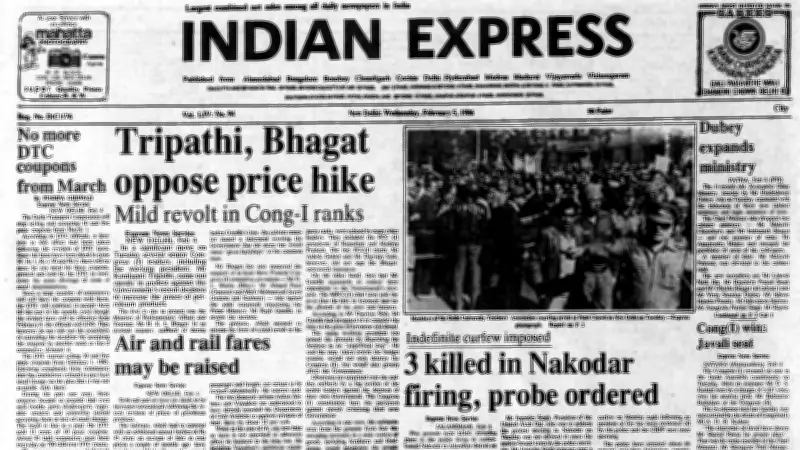
Assam Chief Minister Prafulla Mahanta's Urgent Appeal for Border Security in 1986
On February 5, 1986, a significant development unfolded in India's border security discourse when Assam Chief Minister Prafulla Mahanta made a compelling appeal to Prime Minister Rajiv Gandhi. In a move aimed at addressing the persistent issue of infiltration, Mahanta emphasized the immediate necessity of constructing a robust border fence along the international boundary with Bangladesh. This call to action was not merely about erecting a physical barrier; it represented a strategic effort to safeguard national sovereignty and enhance regional stability in the northeastern state.
Comprehensive Border Security Measures Proposed
Mahanta's recommendations extended beyond the fence itself, outlining a multi-faceted approach to fortify the border. He stressed the importance of increasing the number of check-posts along the international border, which would facilitate more rigorous monitoring and control of cross-border movements. Additionally, the Chief Minister advocated for raising the number of Border Security Force (BSF) battalions deployed in the area. This reinforcement was deemed essential for intensive patrolling, ensuring a proactive stance against unauthorized entries and potential security threats.
Political Opposition to Petroleum Price Hike
In a parallel political development, several senior Congress (I) leaders voiced strong opposition to the government's decision to increase petroleum product prices. Kamlapati Tripathi, the working president, led the protest, highlighting internal dissent within the ruling party. Notably, H K L Bhagat, the Minister of Parliamentary Affairs and Tourism, issued a public statement warning the government about the hardships that the steep price rise would impose on citizens. This open criticism was described as unusual, contrasting with the more subdued dissent typical during Indira Gandhi's tenure, and underscored growing concerns over economic policies.

Delhi Transport Corporation Fare Adjustments
On the domestic front, the Delhi Transport Corporation (DTC) announced operational changes in response to revised fares. Effective March 1, the DTC would cease selling and accepting 10- and five-paise coupons. Officials explained that this decision followed fare hikes to amounts such as 50 paise, Re 1, Rs 1.50, and Rs 2, rendering the smaller denominations obsolete. This move reflected broader economic adjustments and efforts to streamline public transportation systems in the capital.
International Incident: Libyan Plane Intercepted by Israel
In an international incident, Israeli jets intercepted a Libyan plane carrying Syria's number two party official over the Mediterranean, forcing it to land in northern Israel. The Israeli supreme command later granted permission for the plane, a small jet en route from Libya to Syria, to take off again. While reports confirmed the interception, there was no immediate Israeli confirmation regarding the identities of those on board, leaving aspects of the event shrouded in mystery and highlighting tensions in the region.
This front page of The Indian Express from February 5, 1986, captures a snapshot of critical national and international events, from border security appeals and political protests to economic changes and geopolitical maneuvers, offering a vivid glimpse into the era's challenges and dynamics.