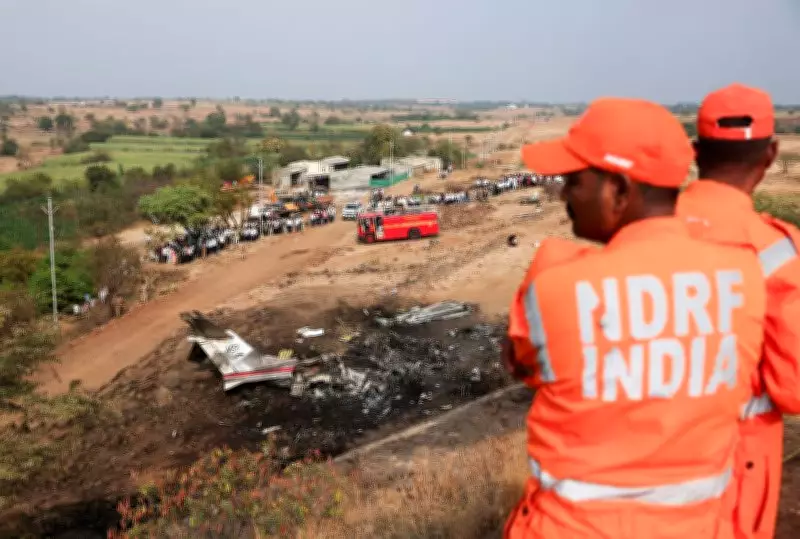
AAIB Report Uncovers Critical Safety Lapses in Ajit Pawar's Plane Crash
The Aircraft Accident Investigation Bureau (AAIB) has released a detailed report on the near-fatal plane crash involving Nationalist Congress Party leader Ajit Pawar in 2022, exposing severe safety failures that nearly led to a tragedy. The incident, which occurred during landing at Baramati airport in Maharashtra, has raised serious concerns about aviation protocols and regulatory oversight in India.
Key Findings from the Investigation
The AAIB report highlights multiple lapses that contributed to the crash. Most alarmingly, the flight was cleared to land below the minimum visibility limits, a direct violation of standard operating procedures. This decision, made by air traffic control, placed the aircraft and its occupants at immediate risk. Additionally, the investigation found that the pilot lacked adequate training for such low-visibility conditions, further exacerbating the situation.
Other critical factors identified include:

- Insufficient weather monitoring prior to the flight's departure.
- Failure to adhere to established safety checklists during the landing phase.
- Inadequate communication between the pilot and ground control regarding changing weather conditions.
Implications for Aviation Safety
This incident underscores broader issues within India's aviation sector. The AAIB has recommended urgent measures to prevent similar occurrences, such as enhanced pilot training programs, stricter enforcement of visibility limits, and improved coordination between air traffic controllers and flight crews. These findings are particularly significant given the increasing frequency of air travel in India, emphasizing the need for robust safety frameworks to protect passengers and crew alike.
Authorities are now under pressure to implement these recommendations swiftly. The report serves as a stark reminder of the consequences of procedural negligence, urging a reevaluation of current aviation practices to ensure such near-misses do not escalate into full-blown disasters in the future.