AIADMK and BJP File Complaint Against DMK Over Alleged Vote-Buying in Tamil Nadu
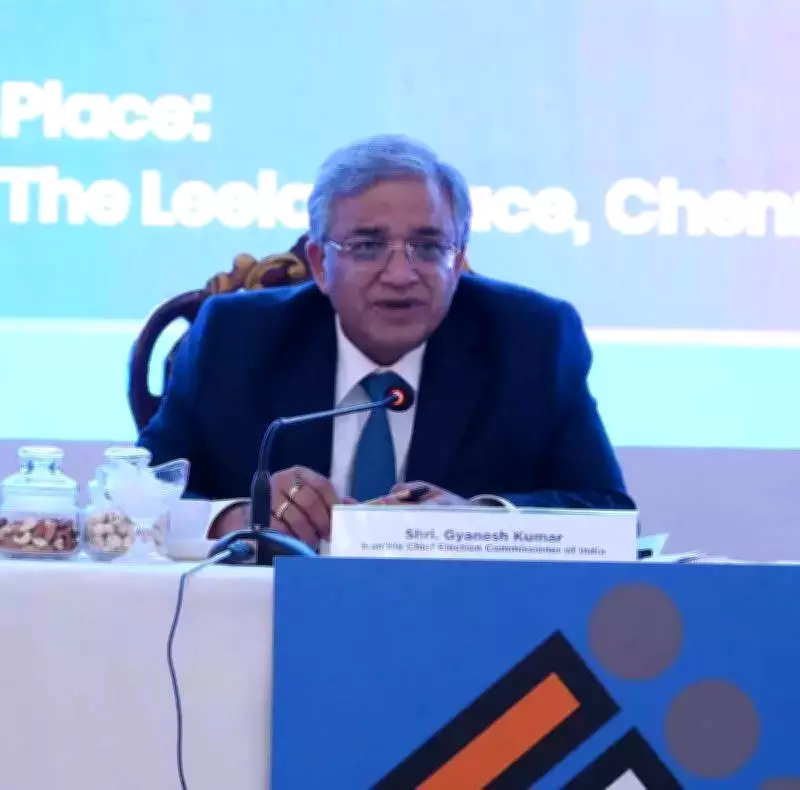
In a significant development ahead of the Tamil Nadu assembly elections, the AIADMK and BJP have jointly raised serious allegations against the ruling DMK. Representatives from both opposition parties met with Chief Election Commissioner Gyanesh Kumar in Chennai on Thursday, submitting a formal memorandum that accuses the DMK of initiating cash distribution to voters to influence the upcoming polls.
Allegations of Systematic Cash Distribution
AIADMK organizational secretary D Jayakumar stated after the meeting, "DMK is relying on money power for this election. They have sent money to all districts meant for distribution to the voters. The Election Commission of India (ECI) should take immediate steps to stop this malpractice." He emphasized that the DMK's actions undermine the democratic process and called for urgent intervention to ensure a fair electoral environment.
Echoing these concerns, BJP representative and former Chennai deputy mayor Karate R Thiagarajan made similar allegations. He urged the ECI to act proactively, stating, "ECI must not wait for the announcement of the model code of conduct. They should engage income tax department officials from other states to work with their counterparts in Tamil Nadu to curb the money distribution." This request highlights the parties' demand for external oversight to prevent local biases and enhance transparency.

Demands for Enhanced Security and Electoral Reforms
In addition to addressing vote-buying, Jayakumar proposed measures to bolster election security. He recommended, "Every polling booth should have CCTV cameras. In all sensitive booths, along with CCTV cameras, the strength of police personnel should be increased." These steps aim to deter malpractices and ensure voter safety during the polling process.
Meanwhile, other political parties presented their own demands to the CEC. DMK organizational secretary R S Bharathi and Rajya Sabha MP N R Elango submitted a memorandum requesting the ECI to release voter details categorized by age cohorts. They pointed out that the recently released voter list, following the Special Intensive Revision (SIR) exercise, lacked age-specific data, which they argue is crucial for campaign planning and demographic analysis.
CPM state secretary P Shanmugam advocated for electoral efficiency, urging the ECI to conduct the Tamil Nadu assembly election in a single phase. He also suggested technical modifications to Electronic Voting Machines (EVMs), proposing that control units be directly connected to EVMs rather than Voter Verifiable Paper Audit Trails (VVPATs) to streamline operations and reduce potential errors.
ECI's Assurance and Follow-Up Actions
In response to these submissions, Chief Election Commissioner Gyanesh Kumar assured all party representatives that their concerns would be thoroughly addressed. He reiterated the ECI's commitment to conducting the elections in a fair and transparent manner, upholding the integrity of the democratic process. Prior to meeting with the political delegations, Kumar held discussions with Tamil Nadu's chief electoral officer Archana Patnaik and other officials to review preparedness and coordinate efforts for the upcoming polls.
This meeting underscores the heightened political activity and scrutiny as Tamil Nadu gears up for its assembly elections, with parties actively engaging the ECI to shape the electoral framework and address perceived irregularities.