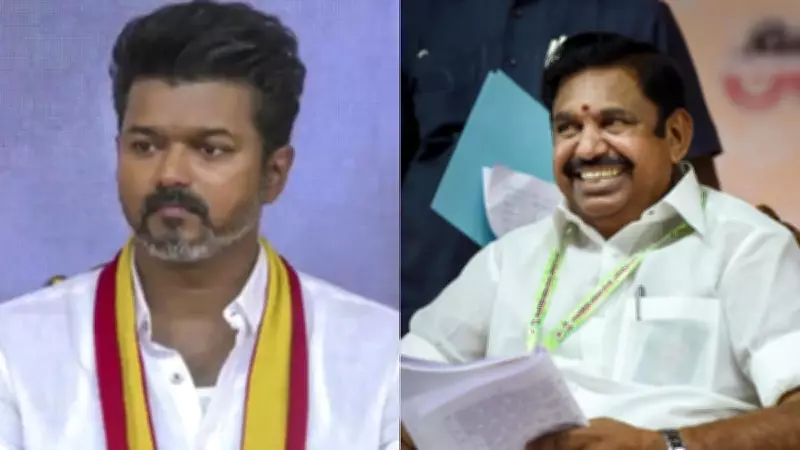
The political landscape of Tamil Nadu has witnessed a seismic shift with the Tamilaga Vettri Kazhagam (TVK) effectively usurping the anti-DMK identity long held by the AIADMK. This transformation has not only redefined the state's opposition dynamics but also raised questions about the future of the two-party system.
The Rise of TVK
The TVK, led by actor-turned-politician Vijay, has rapidly emerged as a formidable force. By positioning itself as a clean alternative to the DMK and AIADMK, the party has attracted disillusioned voters, particularly the youth. Vijay's charisma and promises of corruption-free governance have resonated across the state.
AIADMK's Decline
The AIADMK, once the principal opponent of the DMK, has struggled to maintain its relevance. Internal factionalism, lack of a charismatic leader post-Jayalalithaa, and a series of electoral defeats have eroded its base. The party's inability to adapt to changing voter expectations has allowed TVK to fill the vacuum.

Key factors contributing to AIADMK's decline include:
- Leadership Vacuum: After the death of Jayalalithaa, the party has failed to produce a leader with mass appeal.
- Internal Strife: Frequent infighting and defections have weakened organizational strength.
- Policy Paralysis: The party's ideological stance has become blurred, making it indistinguishable from the DMK on many issues.
TVK's Anti-DMK Strategy
TVK has effectively adopted the anti-DMK narrative, criticizing the ruling party's corruption, nepotism, and administrative failures. Vijay's speeches often highlight DMK's alleged misdeeds, appealing to voters seeking change. The party's grassroots outreach and social media campaigns have amplified its message.
Impact on Tamil Nadu Politics
The shift has forced both the DMK and AIADMK to recalibrate their strategies. The DMK now faces a more aggressive opposition, while the AIADMK is at risk of becoming a marginal player. The 2026 assembly elections will be a crucial test for all parties.
Political analysts believe that TVK's rise could lead to a three-cornered contest, potentially benefiting the DMK by splitting the anti-incumbency vote. However, if TVK manages to consolidate the anti-DMK sentiment, it could pose a serious challenge.
Conclusion
The writing on the wall is clear: the AIADMK has lost its anti-DMK identity to the TVK. Whether the party can reinvent itself or will continue its decline remains to be seen. For now, Tamil Nadu's political narrative is being rewritten by a new player.