Amritsar's Looms Hum with Election Fever from Tamil Nadu
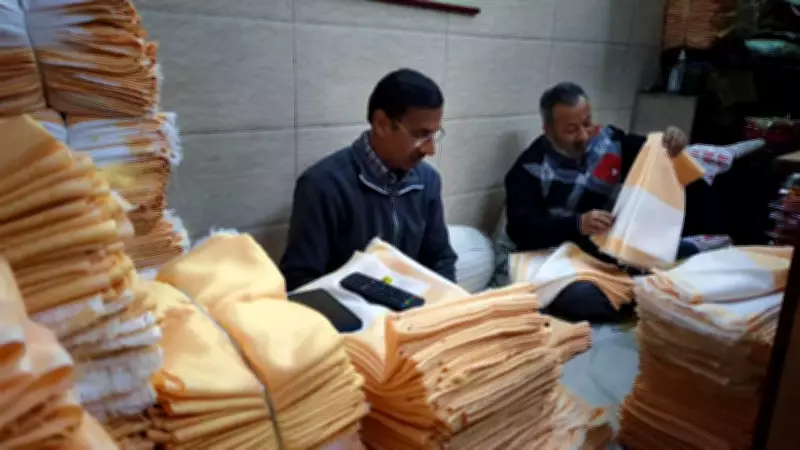
While election fever grips the southern state of Tamil Nadu, the industrial lanes of Amritsar in Punjab are buzzing with round-the-clock activity. The city, renowned globally for its fine shawls and intricate weaves, has become the unexpected epicenter of a massive poll-time rush. Political parties from Tamil Nadu are scrambling to order thousands of ceremonial siropas, or robes of honour, creating an unprecedented demand that has transformed the local textile landscape.
Unprecedented Orders Overwhelm Traditional Industry
Sanjiv Kapoor, a long-time supplier of what he calls "mini-shawls" to wholesalers across South India, reveals that this year's orders have shattered all previous records. "The looms here are running non-stop," Kapoor explains. "Every worker is engaged full time. Political parties from Tamil Nadu are placing bulk orders that we've never seen before."
Adding to the complexity, these political clients are requesting custom colors that match their party flags, creating additional production challenges. The traditional siropas, which measure 27 inches by 54 inches, hold deep ceremonial significance in South Indian culture, typically presented during weddings or religious gatherings as symbols of honor and respect.

From Ceremonial Tradition to Political Theater
Over the past several decades, these ceremonial garments have evolved into an integral component of Tamil Nadu's political theater. What began as traditional gifts of respect has transformed into strategic campaign tools, with political parties distributing siropas to supporters, dignitaries, and crowds during campaign events as tokens of appreciation and political messaging.
Krishan Kapoor, another prominent supplier in Amritsar, recounts the industry's significant transformation from luxury materials to cost-effective synthetics. "A pure wool siropa used to cost around ₹70 earlier," he says. "Now, we use PV Roto thread sourced from Panipat, which has brought production costs down to approximately ₹30 while maintaining an elegant appearance."
Color Psychology and Production Challenges
The current election season has seen siropas customized in striking political hues—vibrant reds, deep saffrons, bright greens, and bold pinks—each carefully selected to reflect specific party identities. Despite this colorful array, the traditional white-and-gold combination remains the most popular choice, representing neutrality and maintaining connection with ceremonial tradition.
Industry insiders estimate that election-linked orders have increased the shawl sector's business by nearly 200%, injecting significant revenue into Amritsar's textile economy. However, this economic boom comes with substantial challenges. The workforce is straining under tight deadlines as artisans work tirelessly to meet delivery schedules ahead of Tamil Nadu's polling day.
Economic Impact and Regional Connections
As campaign trails intensify across Tamil Nadu, these soft threads from northern India are quietly weaving their presence into the political fabric of the South. The phenomenon represents more than just commercial transaction—it symbolizes the interconnectedness of India's regional economies and cultural practices.
The surge has created employment opportunities and boosted local businesses, but it has also highlighted the need for sustainable production practices and workforce management. Artisans, while grateful for the increased work, face pressure to maintain quality while meeting unprecedented demand volumes.
This cross-regional economic activity demonstrates how political events in one part of India can create ripple effects across the country's traditional industries, connecting northern craftsmanship with southern political traditions in unexpected but economically significant ways.