

Assam BJP's Controversial Video Draws Widespread Condemnation
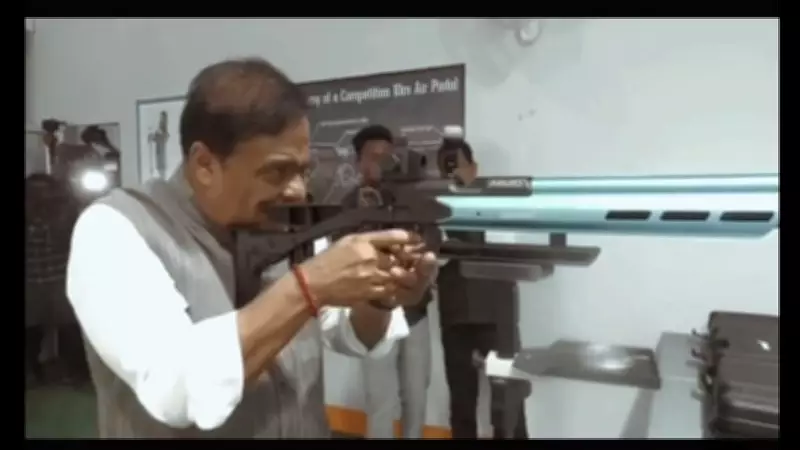
A video posted on the official Assam Bharatiya Janata Party (BJP) X handle on Saturday has ignited a major political firestorm, with opposition leaders accusing the ruling party of promoting hate speech and inciting violence against minorities. The footage shows Assam Chief Minister Himanta Biswa Sarma engaging in a symbolic act of shooting at Muslims at point-blank range, accompanied by provocative captions such as "point blank shoot." This incident has rapidly escalated into a heated national debate, raising serious concerns about the tone of political discourse in India.
Video Content and Immediate Reactions
The video, which was widely circulated on social media platforms, depicts Chief Minister Himanta Biswa Sarma in a simulated shooting scenario targeting Muslims. The captions and imagery have been interpreted by critics as a direct and dangerous escalation in the ongoing political rhetoric. Dr. Syed Naseer Hussain, a Member of Parliament from the Indian National Congress, was among the first to publicly condemn the post, sharing it on X with a stark warning. He described the video as intensifying a hate campaign against Bengali-origin Muslims and labeled it a disturbing manifestation of long-held extremist ideologies.
In a strongly worded response, K.C. Venugopal, another prominent Congress leader and MP, denounced the video as far more than mere trolling or innocuous content. He characterized it as a deliberate spread of poison and an explicit call to genocide, accusing the BJP-led government of harboring fascist dreams for decades. These reactions underscore the deep political divisions and the volatile nature of communal narratives in contemporary Indian politics.

Broader Implications and Political Fallout
This controversy comes at a sensitive time, with Assam and other regions grappling with complex issues of identity, migration, and citizenship. The video has amplified fears among minority communities about their safety and representation. Political analysts suggest that such content could further polarize the electorate and undermine social harmony. The BJP has yet to issue an official statement addressing the specific allegations, but the incident has already fueled debates about the boundaries of political expression and the responsibilities of public figures in a diverse democracy.
Critics argue that the video represents a dangerous normalization of violent rhetoric against Muslims, potentially emboldening extremist elements. Supporters of the BJP, however, may view it as a symbolic stance on issues like illegal immigration, though the explicit nature of the imagery has drawn widespread censure. The episode highlights the growing role of social media in shaping political narratives and the challenges of regulating hate speech in the digital age.
Legal and Ethical Considerations
The posting of such content by an official party handle raises significant legal and ethical questions. India's laws against hate speech and incitement to violence are stringent, and there may be calls for investigations into whether this video violates those statutes. Additionally, ethical concerns about the misuse of political platforms to spread divisive messages are at the forefront. This incident serves as a stark reminder of the need for greater accountability among political actors and stricter enforcement of social media guidelines to prevent the spread of harmful content.
As the story develops, it is likely to trigger further reactions from civil society groups, human rights organizations, and international observers. The outcome could influence upcoming political strategies and public perceptions ahead of future elections. For now, the video remains a flashpoint in India's ongoing struggle to balance free speech with communal harmony, underscoring the urgent need for dialogue and reconciliation in a fractured political landscape.






