Bihar Deputy CM Champions BJP's Agenda for West Bengal: Removal of Infiltrators and Economic Revival
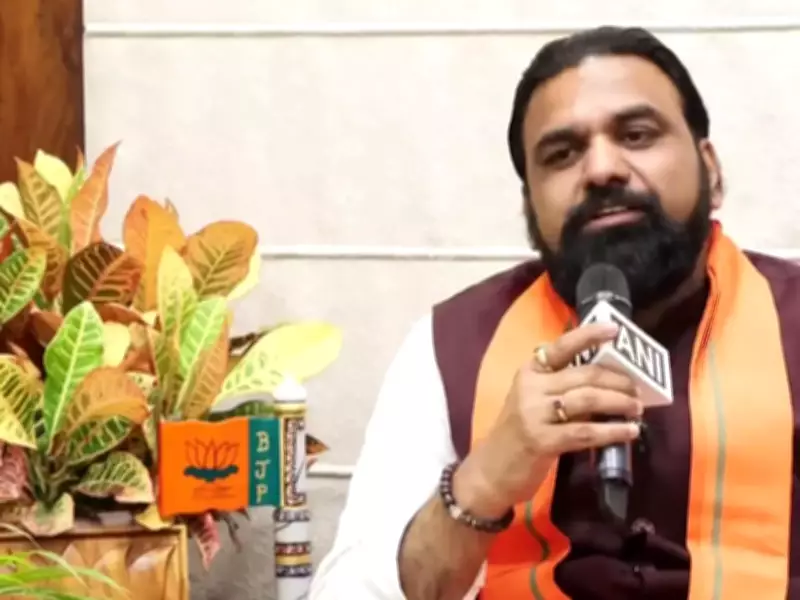
In a fiery campaign speech delivered in Howrah, Bihar Deputy Chief Minister Samrat Choudhary laid out a bold vision for West Bengal under BJP rule, centering on the expulsion of infiltrators and the restoration of the state's former glory. Addressing supporters ahead of the first phase of assembly elections, Choudhary emphasized that the removal of unauthorized individuals is a non-negotiable priority for the party.
Strict Measures Against Infiltrators Modeled on Bihar's Actions
Choudhary detailed the stringent steps already implemented in Bihar, where authorities have struck off the names of 22 lakh people from official records and halted their ration supplies. He announced that this crackdown will intensify, with plans to cancel driving licenses and other identification cards of those deemed infiltrators. "We are committed to ensuring that only legitimate citizens benefit from state resources," he asserted, positioning these actions as a template for West Bengal.
BJP's Pledge to Transform West Bengal into 'Sonar Bengal'
The deputy chief minister articulated the BJP's ambition to reclaim West Bengal's historical stature as "Sonar Bengal" or Golden Bengal. He linked this transformation to three core objectives: strengthening democratic institutions, expelling infiltrators, and reviving Bengali identity and pride. Choudhary accused the current Mamata Banerjee-led government of being pro-infiltrator, anti-Hindu, and chaotic, alleging that it has undermined the state's social fabric and governance.

Countering Political Narratives and Promising Local Leadership
Dismissing Chief Minister Mamata Banerjee's "insider versus outsider" rhetoric as a mere political distraction, Choudhary assured that a BJP government in West Bengal would be led by a native son or daughter of the state. He argued that this commitment reflects the party's dedication to authentic representation and local empowerment, rather than external imposition.
Allegations of Mismanagement and Pledges for Economic Revival
Choudhary launched a scathing critique of the incumbent administration's handling of education and employment. He claimed that a massive scam has deprived Bengali youth of opportunities, citing the closure of 8,000 schools attended by Bengali children while madrassas remained operational. In contrast, he highlighted the BJP's track record in Bihar, where 50 lakh people have reportedly received government jobs and employment opportunities over the past five years.
"We will replicate this success in West Bengal through large-scale employment generation initiatives," Choudhary promised, aiming to address the economic stagnation he attributed to current policies.
Historical Context and Contemporary Challenges
Reflecting on West Bengal's illustrious past, Choudhary noted that Kolkata was once a magnet for job seekers from across India. However, he lamented that the city now faces an exodus, lagging behind metropolitan hubs like Mumbai, Delhi, and Chennai in development. He tied this decline to poor governance and the need for a political change to prevent incidents like those in Sandeshkhali and to foster growth.
A Call to Action for Voters
As one of the BJP's star campaigners in West Bengal, Choudhary framed the upcoming elections as a pivotal moment for the state's future. He urged voters to support the BJP to eradicate infiltration, establish good governance, and reclaim Bengali pride. "The choice is clear: continue with a regime that has failed or embrace a new era of prosperity and security," he concluded, rallying the crowd behind the party's agenda.