

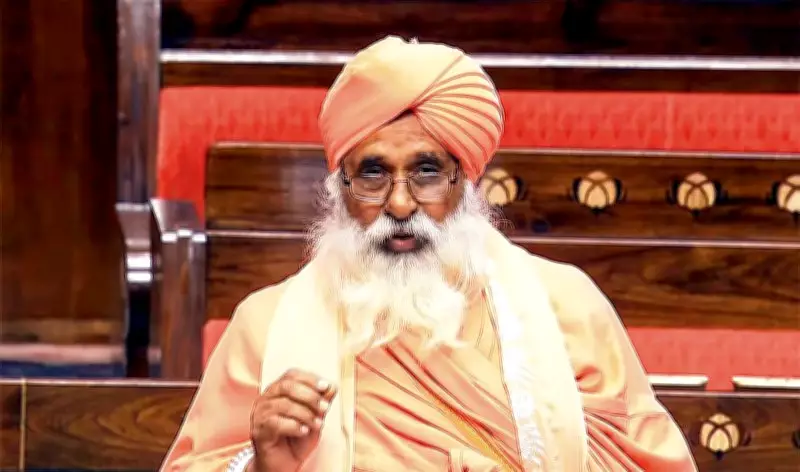
Rajya Sabha MP Introduces Bill to Legally Recognize Election Manifestos
A significant legislative move has been initiated in the Rajya Sabha, where a Member of Parliament (MP) has tabled a bill aimed at providing legal recognition to election manifestos. This proposal seeks to transform campaign promises into legally binding commitments, potentially altering the landscape of political accountability in India.
Details of the Proposed Legislation
The bill, introduced by the Rajya Sabha MP, is designed to address long-standing concerns about the credibility of election manifestos. Currently, these documents, which outline the policies and promises of political parties during election campaigns, lack formal legal standing. The proposed legislation would change this by establishing a framework to hold parties accountable for the pledges they make to voters.
Under the bill, election manifestos would be recognized as official documents that parties must adhere to if they come to power. This could include mechanisms for monitoring implementation and penalties for non-compliance, although specific details are still under discussion. The move is seen as an effort to enhance transparency and trust in the electoral process, ensuring that political commitments are not merely rhetorical tools but actionable plans.

Implications for Political Accountability
If passed, this bill could have far-reaching implications for how political parties conduct their campaigns and govern. It would require parties to be more cautious and realistic in their manifesto promises, as failure to deliver could lead to legal consequences. This shift might encourage more detailed and feasible policy proposals, rather than grandiose claims aimed at winning votes.
Supporters of the bill argue that it would strengthen democratic norms by making politicians more answerable to the electorate. By legally binding parties to their manifestos, voters could have greater confidence that their chosen representatives will follow through on key issues such as economic development, social welfare, and infrastructure projects.
Challenges and Criticisms
However, the proposal is not without its challenges. Critics point out that implementing such a law could be complex, given the dynamic nature of governance and unforeseen circumstances like economic crises or natural disasters. There are also concerns about how to define and measure compliance, as manifesto promises often involve subjective or long-term goals.
Additionally, some political analysts warn that overly rigid legal requirements might stifle innovation in policy-making or lead to overly cautious manifestos that avoid ambitious reforms. The bill will likely undergo extensive debate and revision in Parliament to address these issues and balance accountability with practicality.
Next Steps and Public Reaction
The bill has been tabled in the Rajya Sabha and is expected to be referred to a parliamentary committee for detailed examination. This process will involve consultations with legal experts, political parties, and civil society to refine the proposal. Public reaction has been mixed, with some citizens welcoming the move as a step toward greater political integrity, while others remain skeptical about its feasibility.
As the discussion progresses, this initiative highlights a growing demand for stronger mechanisms to ensure that election promises translate into tangible outcomes. Whether it becomes law or not, the bill has already sparked important conversations about the role of manifestos in India's democracy and the need for enhanced accountability in politics.






