

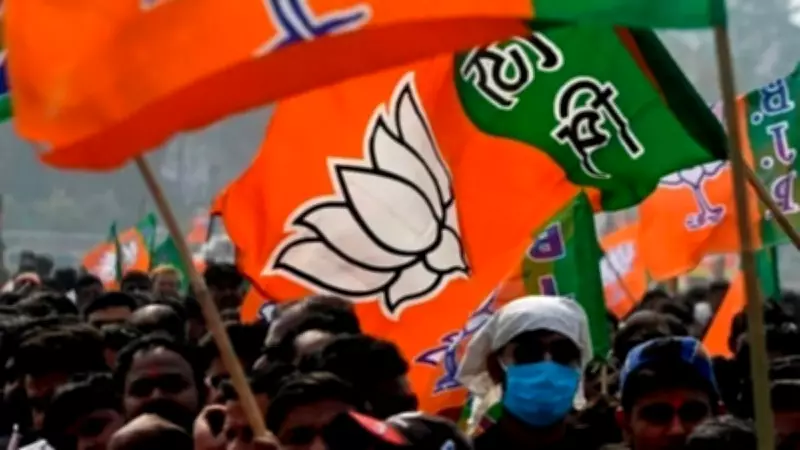
BJP Dominates Electoral Trust Funding with 82% Share in 2024-25
A recent report by the Association for Democratic Reforms (ADR) has highlighted significant trends in political funding through electoral trusts during the 2024-25 financial year. According to the findings, ten electoral trusts declared receiving contributions totaling Rs 3,826.3417 crore from corporate entities and individual donors. These trusts subsequently distributed the entire amount, Rs 3,826.35 crore, to various political parties across India.
BJP Emerges as Primary Beneficiary of Trust Contributions
The data reveals that the Bharatiya Janata Party (BJP) was the major recipient, securing approximately 82% of the total funds distributed by these electoral trusts. This substantial share underscores the party's dominant position in attracting financial support through this channel, which is a critical aspect of political financing in the country.
Key Details from the ADR Report:

- Ten electoral trusts were active in receiving and distributing contributions during the 2024-25 period.
- Total contributions received amounted to Rs 3,826.3417 crore, sourced from both corporate and individual donors.
- The distributed funds totaled Rs 3,826.35 crore, indicating nearly full allocation of received amounts.
- The BJP's share constituted around 82% of these distributions, highlighting its significant financial backing.
Electoral trusts serve as intermediaries that collect donations and channel them to political parties, providing a structured mechanism for funding electoral activities. The ADR report, based on declarations made by these trusts, offers insights into the flow of money in Indian politics, emphasizing transparency and accountability in political finance.
Implications for Political Funding and Transparency
This report comes at a time when political funding mechanisms are under increased scrutiny. The dominance of one party in receiving such a large proportion of electoral trust funds raises questions about the distribution of financial resources among political entities. It also highlights the role of corporate and individual contributions in shaping the political landscape.
As India continues to debate reforms in political financing, data like this from ADR is crucial for understanding current practices and potential areas for improvement. The findings may influence discussions on electoral laws and the need for greater transparency in how parties are funded.






