

BJP MLA Agnimitra Paul's Madrasa Remarks Ignite Political Firestorm
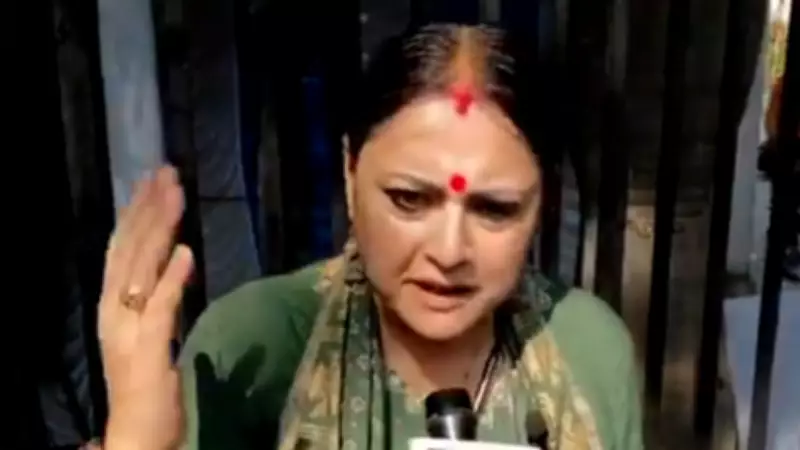
In a statement that has sparked widespread controversy, Bharatiya Janata Party (BJP) MLA Agnimitra Paul asserted that government funds allocated for madrasas should not be used to uplift minority communities, warning that such institutions can potentially foster criminal activities. Her remarks, made outside the legislative assembly on February 6, 2026, have drawn sharp criticism from opposition parties and civil society groups, reigniting debates over education, development, and minority rights in India.
Paul's Comments on Madrasas and Development
Speaking to reporters, Agnimitra Paul elaborated on her stance, stating, "I said once BJP comes to power, Muslims will get the true benefits of development. They will not be used as vote banks, and some madrasas will not be a hub of anti-national activities." This declaration underscores her view that madrasa funding should be scrutinized to prevent misuse, rather than serving as a tool for political appeasement or community upliftment.
Paul's comments reflect a broader narrative within certain political circles that questions the role of madrasas in national security and social integration. She implied that without proper oversight, these religious schools could become centers for activities deemed anti-national, thereby necessitating a reevaluation of financial support mechanisms.

Reactions and Political Backlash
The remarks have elicited strong reactions from various quarters. Opposition leaders, particularly from the Trinamool Congress (TMC), have condemned Paul's statements as divisive and inflammatory. Critics argue that such rhetoric stigmatizes minority educational institutions and undermines efforts toward inclusive development.
Civil society organizations have also expressed concern, highlighting that madrasas play a crucial role in providing education to underprivileged Muslim children in many regions. They warn that labeling these institutions as potential criminal hubs could lead to discrimination and hinder educational access for marginalized communities.
Broader Implications for Minority Policies
This incident brings to the forefront ongoing discussions about government policies toward minority communities in India. The debate touches on issues of funding allocation, educational reform, and the balance between security concerns and developmental needs. Paul's assertion that Muslims will receive "true benefits of development" under BJP rule suggests a shift in approach, but her linking of madrasas to criminality has raised questions about the implementation of such promises.
As political tensions escalate, this controversy is likely to influence upcoming policy debates and electoral strategies. It underscores the delicate interplay between religion, education, and politics in India's diverse social fabric, with potential ramifications for national cohesion and minority rights.






