

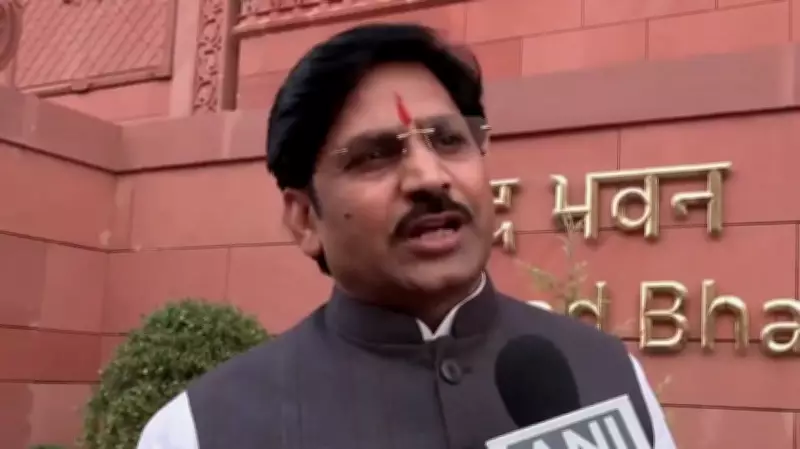
BJP MP Solanki Advocates for Central Legislation to Combat Forced Conversions
In a significant development, BJP MP Solanki has raised alarms over the issue of forced religious conversions, labeling them a direct threat to national security and the preservation of tribal identity. Speaking out on this contentious matter, Solanki emphasized the urgent need for a central law to address what he describes as organized and collective conversions, which he equates to organized crime.
National Security and Tribal Identity at Stake
Solanki articulated that forced conversions are not merely isolated incidents but part of a larger, systematic effort that undermines the fabric of the nation. He pointed out that such activities pose a severe risk to national security by potentially destabilizing social harmony and eroding cultural diversity. Specifically, he highlighted the vulnerability of tribal communities, whose unique identities and traditions are at risk of being diluted or lost due to these practices.
The BJP MP stressed that organized conversions operate in a coordinated manner, often targeting marginalized groups, and this collective action necessitates a robust legal framework at the national level. He argued that existing state laws are insufficient to tackle the scale and complexity of the issue, making a central law imperative for effective enforcement and protection.

Call for Legislative Action
Solanki's appeal for a central law comes amid ongoing debates about religious freedom and conversion in India. He asserted that while religious freedom is a fundamental right, it should not be misused to coerce or manipulate individuals into changing their faith. By framing forced conversions as organized crime, he aims to bring greater scrutiny and legal consequences to those involved in such activities.
This move aligns with broader political discussions on safeguarding indigenous cultures and maintaining national integrity. Solanki's statements have sparked reactions from various quarters, with supporters viewing it as a necessary step to protect vulnerable populations, while critics may raise concerns about potential implications for religious liberty.
As the discourse evolves, the call for a central law on conversions is likely to remain a focal point in Indian politics, reflecting deeper tensions between security, identity, and freedom.






