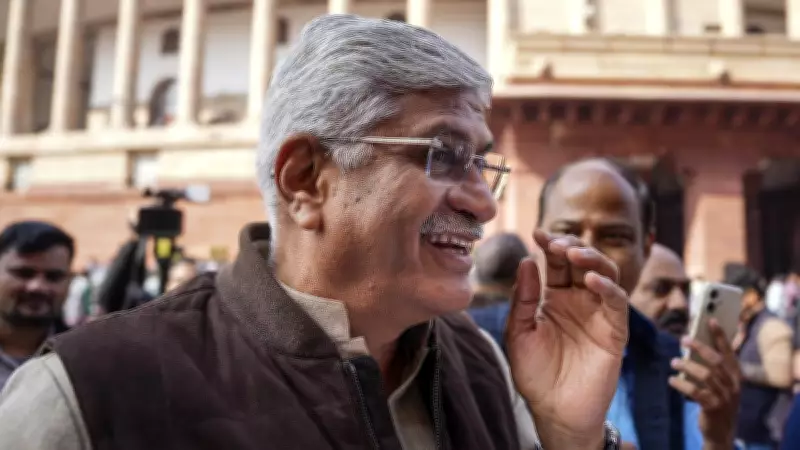
BJP's Core Ideology: Gandhian Socialism and Positive Secularism as Guiding Principles
Union Minister Gajendra Singh Shekhawat has articulated the foundational principles of the Bharatiya Janata Party (BJP), emphasizing that the party's 'Panch Nishthas' are not merely rhetorical concepts but serve as essential guiding doctrines. In a significant statement, Shekhawat highlighted how these five commitments shape the party's political and governance framework.
The Five Commitments: A Detailed Framework
Shekhawat elaborated on the Panch Nishthas, which form the bedrock of BJP's ideological stance. These principles are designed to provide a comprehensive direction for the party's policies and actions at both national and state levels.
- Nationalism and National Integration: This commitment focuses on fostering a unified national identity while promoting harmony among diverse communities across India. It underscores the party's dedication to strengthening the country's sovereignty and integrity.
- Democracy: The BJP reaffirms its unwavering support for democratic processes, institutions, and values. This principle emphasizes participatory governance and the protection of citizens' rights within a democratic framework.
- Positive Secularism: Unlike conventional secularism, positive secularism, as defined by the BJP, involves actively engaging with all religious communities to ensure equitable development and social justice. It aims to create an inclusive environment where every faith is respected and supported.
- Gandhian Socialism: Drawing from Mahatma Gandhi's vision, this principle integrates socialist ideals with Gandhian ethics, focusing on grassroots empowerment, self-reliance, and sustainable development. It seeks to address economic disparities through community-driven initiatives.
- Reiteration of Positive Secularism: The emphasis on positive secularism is repeated to highlight its critical role in the party's agenda, ensuring it remains a central tenet in policy formulation and implementation.
Shekhawat's Emphasis on Practical Application
According to Shekhawat, these principles are "not just words but guiding principles" that inform the BJP's decision-making and governance strategies. He stressed that the Panch Nishthas provide a moral and ideological compass, helping the party navigate complex political landscapes while staying true to its core values.

The minister's remarks come at a time when political ideologies are increasingly scrutinized, and the BJP aims to solidify its philosophical foundations. By invoking Gandhian Socialism and positive secularism, the party seeks to connect with broader societal values and historical legacies.
Context and Implications for Karnataka and Beyond
This articulation of principles holds particular relevance for states like Karnataka, where political dynamics often reflect ideological debates. Shekhawat's statement may influence local party strategies and public discourse, reinforcing the BJP's commitment to these five pillars across different regions.
Furthermore, the focus on Gandhian Socialism aligns with ongoing efforts to promote rural development and social welfare programs, while positive secularism addresses contemporary challenges related to communal harmony and inclusive growth.
As the BJP continues to expand its influence, these guiding principles are expected to play a pivotal role in shaping its policy agenda and electoral campaigns, ensuring a consistent ideological thread throughout its activities.