

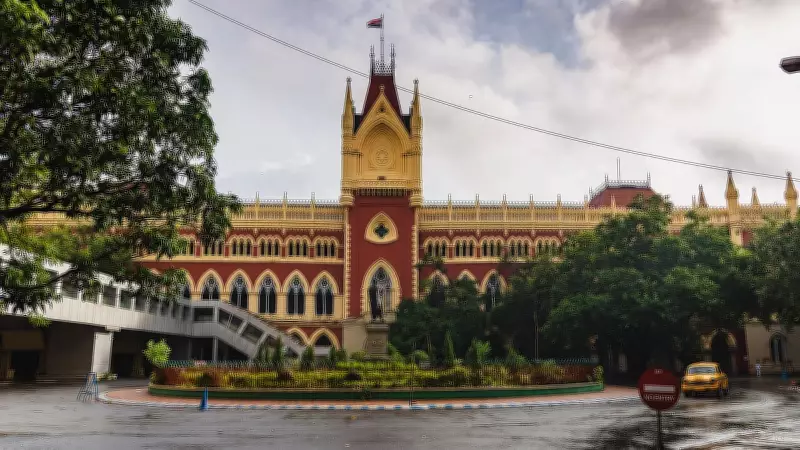
Calcutta High Court Halts Election Commission's Controversial Police Directive
In a significant legal development, the Calcutta High Court has intervened in election security arrangements by staying a contentious order issued by the Election Commission of India. The court's decision directly impacts the preparations for the upcoming West Bengal Assembly Elections scheduled for 2026.
Judicial Intervention in Election Security Measures
A division bench of the Calcutta High Court, led by Chief Justice Sujoy Paul, has suspended the effect and operation of an April 21 order from the Election Commission's police observer. This order had authorized what the court described as a 'blanket direction' for police action against individuals identified as potential troublemakers during the election period.
The judicial stay will remain in effect until June 30, 2026, creating a temporary legal barrier against the implementation of this broad security directive. The court's decision comes at a crucial time when election authorities typically intensify their security planning for major state elections.

Context and Implications of the Court's Decision
The Election Commission's original directive, issued on April 21, 2026, represented a proactive approach to maintaining law and order during what is expected to be a highly contested electoral process. West Bengal has historically witnessed intense political competition, and the 2026 Assembly elections are anticipated to follow this pattern.
However, the High Court's intervention suggests potential legal concerns regarding the scope and implementation of such sweeping police powers. By characterizing the EC's order as a 'blanket direction', the court appears to have identified issues with its potentially overbroad application.
Legal Framework and Election Security
This development highlights the delicate balance between ensuring electoral integrity through robust security measures and protecting individual rights through proper legal procedures. The court's stay order indicates that:
- The Election Commission's police observer directive required judicial scrutiny
- There were concerns about the directive's compliance with legal standards
- The temporary suspension allows for further legal examination of the matter
The timing of this decision is particularly noteworthy, as it occurs well in advance of the actual election period, suggesting the court's intention to establish clear legal parameters before election security operations intensify.
Broader Political and Administrative Context
West Bengal's political landscape has been characterized by intense competition between major political parties, with elections often marked by allegations of violence and intimidation. The Election Commission's attempt to preemptively address potential trouble through this police directive reflects ongoing concerns about maintaining peaceful electoral processes in the state.
The High Court's intervention now creates a temporary legal framework that will require both election authorities and law enforcement agencies to reconsider their approach to election security planning. This decision may prompt more nuanced, legally compliant strategies for identifying and addressing potential electoral disturbances.
As the situation develops, all stakeholders will be closely monitoring how this judicial stay affects election preparation timelines and whether it leads to revised security protocols that balance electoral integrity with legal safeguards.






