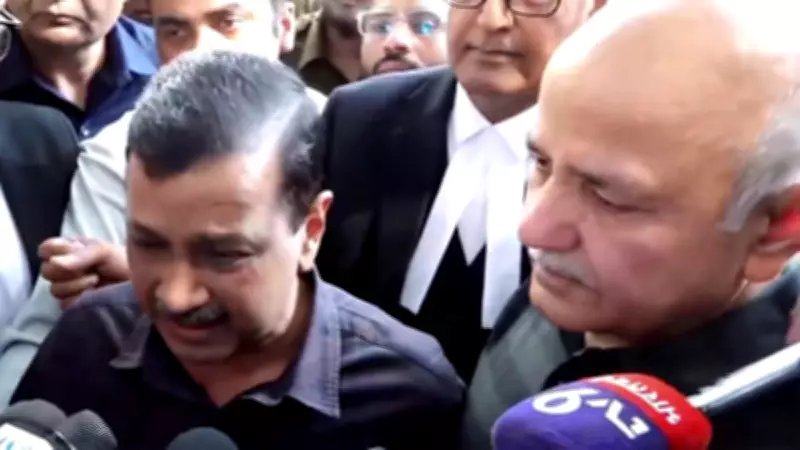
CBI to Challenge Delhi Court's Discharge Order in Excise Policy Case
The Central Bureau of Investigation (CBI) has declared its intention to file an immediate appeal against a Delhi court's ruling that discharged Delhi Chief Minister Arvind Kejriwal, former Deputy Chief Minister Manish Sisodia, and 21 other individuals in the high-profile excise policy case. This development follows the court's decision on Friday to refuse cognisance of the CBI chargesheet, effectively dismissing the case against the accused.
Court's Decision and CBI's Response
On Friday, a Delhi court discharged Kejriwal, Sisodia, and 21 others in the liquor policy case by declining to take cognisance of the CBI chargesheet filed against them. The court's move has sparked significant controversy, with the CBI asserting that several critical aspects of the case were overlooked in the ruling. In a swift response, the agency announced plans to appeal the decision, emphasizing that the discharge order ignores key evidence and legal points presented in their investigation.
The CBI stated, "We will appeal immediately against the discharge order, as several aspects of the case have been ignored by the court." This indicates the agency's determination to pursue the matter further, potentially leading to a prolonged legal battle over the excise policy allegations.

Background of the Excise Policy Case
The excise policy case revolves around allegations of irregularities and corruption in the formulation and implementation of Delhi's liquor policy. The CBI had filed a chargesheet accusing Kejriwal, Sisodia, and others of involvement in the scandal, which has been a focal point of political and legal scrutiny. The case has drawn national attention due to its implications for governance and anti-corruption efforts in India.
Key points from the case include:
- Allegations of favoritism and financial misconduct in the excise policy.
- The CBI's investigation into multiple individuals, including high-profile political figures.
- Previous legal proceedings and public debates surrounding the integrity of the policy.
Implications and Next Steps
The Delhi court's discharge order represents a significant setback for the CBI, but the agency's decision to appeal suggests that the legal proceedings are far from over. If the appeal is filed, it will be heard by a higher court, which will review the evidence and arguments anew. This could potentially reinstate the charges or uphold the discharge, depending on the judicial outcome.
Observers note that this case highlights the ongoing tensions between investigative agencies and the judiciary in high-stakes political matters. The outcome may influence future anti-corruption cases and the enforcement of accountability measures in Indian politics.
As of now, Kejriwal, Sisodia, and the other discharged individuals have not issued detailed statements, but the political ramifications are expected to unfold in the coming days. The CBI's appeal process will be closely watched by legal experts, policymakers, and the public alike.