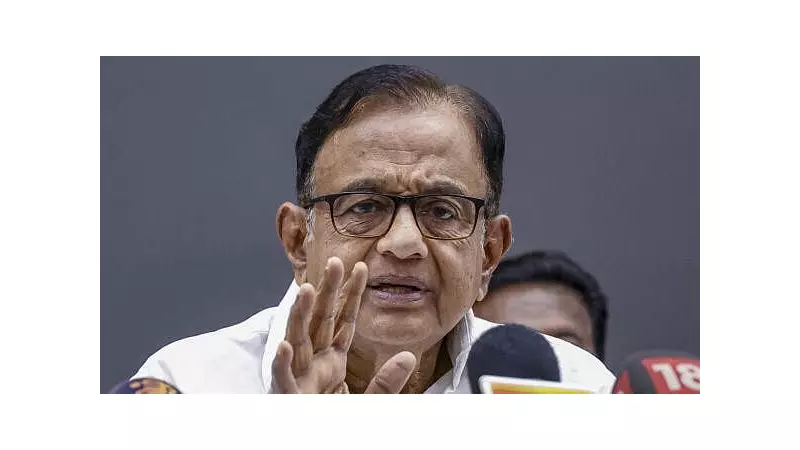
Senior Congress leader and former Union Minister P. Chidambaram made a profound statement on Sunday, drawing a parallel between the enduring legacy of Mahatma Gandhi and Jawaharlal Nehru and the eternal spiritual figures of Gautama Buddha and Jesus Christ. He asserted that the foundational leaders of modern India continue to live within the deep consciousness of its people.
A Legacy Etched in National Consciousness
Speaking on December 21, 2025, Chidambaram emphasized that the ideals and contributions of Gandhi and Nehru are not merely historical footnotes but are actively present in the Indian psyche. He stated that their influence is akin to the lasting spiritual impact of Buddha and Jesus, suggesting a timeless and guiding presence that transcends generations. This comparison underscores the Congress party's ongoing effort to position itself as the true custodian of India's foundational secular and democratic values.
Congress Vows Sustained Protest Over MGNREGA
Beyond the philosophical statement, Chidambaram addressed a pressing contemporary issue. He declared that the Congress party will continue its protests until the previous structure of the Mahatma Gandhi National Rural Employment Guarantee Act (MGNREGA) scheme is fully restored. The rural employment guarantee scheme, a flagship program initiated by the previous Congress-led UPA government, has been a point of significant political contention. The party alleges that recent changes have diluted its effectiveness and reach, impacting rural households across the country.

Political Standoff Intensifies
The dual announcement by the senior leader frames the Congress's current political strategy: anchoring itself in the legacy of the nation's most revered figures while actively challenging the ruling dispensation on key welfare policies. By linking the protest for MGNREGA to the broader Gandhian ethos of empowering the rural poor, the party aims to consolidate its narrative. The date of the statement, December 21, 2025, marks a clear line in the sand for the opposition's agenda as political temperatures rise.
This move signals an intensification of the opposition's campaign against the government's handling of rural distress and employment. The commitment to prolonged protest indicates that the issue of MGNREGA will remain a central rallying point for the Congress and its allies in the coming months, potentially shaping the discourse around economic justice and governance.