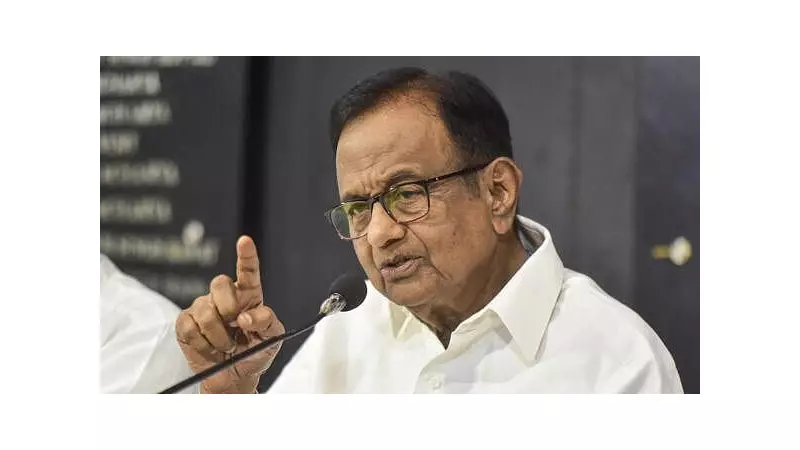
Senior Congress leader and former Finance Minister P Chidambaram has launched a scathing attack on the central government, accusing it of committing a 'second killing of Mahatma Gandhi' by removing the iconic leader's name from the flagship rural employment scheme. The criticism, made on 21 December 2025, centers on the recent renaming of the Mahatma Gandhi National Rural Employment Guarantee Act (MGNREGA).
A Fundamental Shift in Policy
Chidambaram's core argument is that the changes enacted by the Centre go far beyond a simple name change. He contends that the government has fundamentally altered the nature of the program. According to the veteran politician, the modifications have effectively converted a 'demand-driven entitlement into a discretionary scheme'. This shift, he warns, strips away the legal guarantee of work that was the cornerstone of the original legislation, leaving the rural poor vulnerable.
Depriving the Rural Poor
The former minister elaborated on the potential consequences of this policy shift. By making the scheme discretionary rather than an entitlement based on demand, the government risks depriving millions in rural India of a crucial social safety net. Guaranteed employment during times of agricultural distress or economic hardship was the defining feature of MGNREGA. Chidambaram fears that diluting this guarantee will have severe repercussions for the country's most economically vulnerable populations, who rely on the scheme for subsistence.

Political and Symbolic Ramifications
The use of the phrase 'second killing' is loaded with political and symbolic weight. It frames the government's action not as an administrative update, but as a profound act of disrespect towards the Father of the Nation and his legacy of empowering the poorest. The statement is seen as a major political salvo from the Congress party, positioning it as the defender of both Gandhian values and welfare rights. The controversy highlights the ongoing political battle over the legacy of key national schemes and the symbols attached to them.
As of now, the central government has not issued an official response to Chidambaram's sharp criticism. The debate is expected to intensify in Parliament and in the political arena, focusing on the future of rural welfare and the sanctity of landmark social security laws in India.