

Congress Launches Scathing Attack on Modi Government Over US Comments and LPG Prices
In a sharp escalation of political rhetoric, the Indian National Congress has launched a dual-pronged attack on the Narendra Modi-led government, targeting its foreign policy stance on Russian oil imports and a recent domestic decision to increase LPG cylinder prices. The opposition party's criticism follows remarks from a US official and a contentious price adjustment that has sparked public outcry.
US Praise for India's Russia Oil Stance Draws Congress Ire
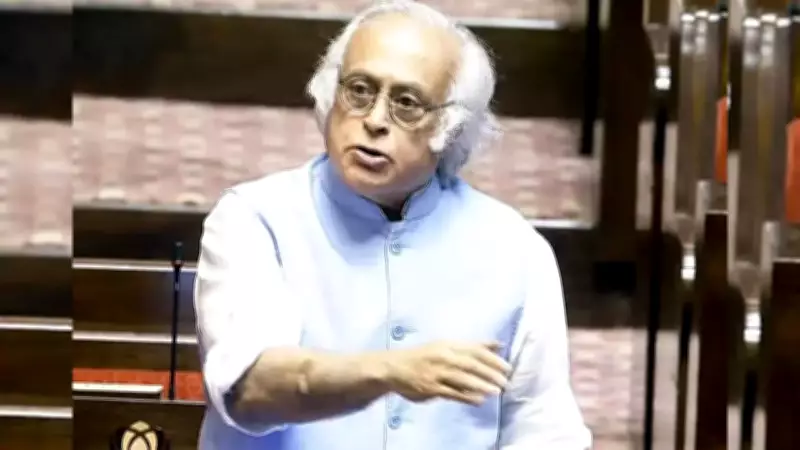
Congress leaders have vehemently criticized the Modi administration after US Treasury Secretary comments highlighted India as a "good actor" for agreeing to halt oil imports from Russia in response to American demands. AICC spokesperson Jairam Ramesh seized upon this acknowledgment, framing it as evidence of what he termed the Prime Minister's "cowardice" and subservience to foreign directives.
"The US treasury secretary has essentially awarded the Modi government a certificate for obediently following President Trump's orders," Ramesh stated emphatically. "This revelation speaks volumes about how the once-proclaimed 56-inch chest has become compromised and timid on the global stage."

This criticism builds upon Congress's earlier condemnation of what it described as India seeking "permission" from the United States regarding Russian oil imports, suggesting a loss of sovereign decision-making autonomy under the current leadership.
LPG Price Hike Sparks Accusations of Government Betrayal
Simultaneously, Congress president Mallikarjun Kharge launched a separate offensive against the government over the recent increase in liquefied petroleum gas (LPG) cylinder prices. Kharge accused the administration of deliberately withholding benefits from consumers during periods of low international crude prices, only to implement hikes when politically convenient.
"For years, this government has refused to pass on the advantage of favorable global oil prices to the common people," Kharge asserted. "Now, in a move that reeks of opportunism, they have chosen to burden households with increased cooking fuel costs."
Adding fuel to the fire, AICC spokesman Pawan Khera highlighted what he called a stark contradiction between government assurances and actions. He pointed to Petroleum Minister Hardeep Singh Puri's Friday statement emphasizing the government's commitment to "ensure availability of affordable and sustainable fuel for our citizens," followed within hours by the price increase announcement.
"This sequence of events exposes the hollow nature of such promises," Khera declared. "The public should never take Minister Puri's words at face value given this pattern of saying one thing and doing another."
Political Implications and Broader Context
The coordinated attacks from multiple Congress leaders signal a strategic effort to corner the government on both international and domestic fronts. By linking the US praise on Russia policy to questions of national pride and sovereignty, while simultaneously highlighting economic burdens on households through LPG prices, the opposition aims to paint a picture of a government that is both externally submissive and internally insensitive.
These developments occur against a backdrop of ongoing global energy market fluctuations and shifting geopolitical alliances. The Congress criticism reflects broader debates about India's balancing act between traditional partnerships and emerging global pressures, as well as the domestic political consequences of economic decisions affecting essential commodities.
As the political temperature rises, these issues are likely to feature prominently in parliamentary debates and public discourse, with both sides preparing for intensified confrontations over matters of policy, sovereignty, and governance accountability.






