Congress Party Calls for Urgent Parliamentary Discussion on West Asia Conflict
The Indian National Congress has officially demanded a short-duration discussion in Parliament to address the escalating conflict in West Asia. This move underscores the party's growing concern over the geopolitical tensions and their potential implications for India's foreign relations and national interests.
Criticism of Government's Foreign Policy Stance
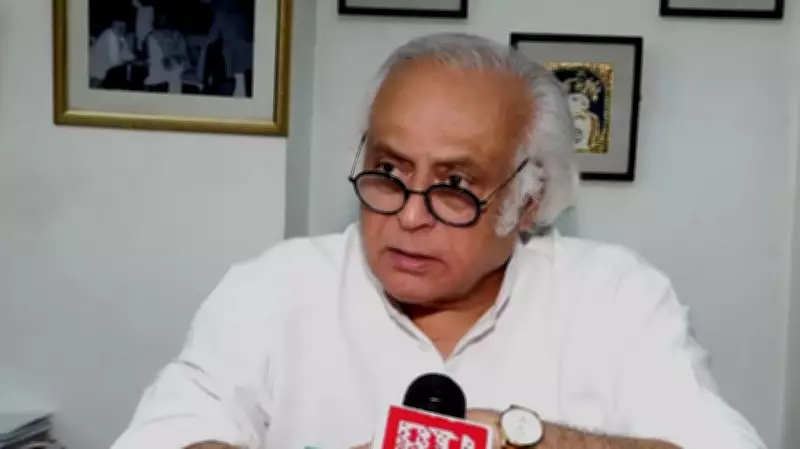
Senior Congress leader and Member of Parliament, Jairam Ramesh, launched a sharp critique of the current administration's diplomatic approach. Ramesh asserted that the government's actions are causing India to play 'second fiddle' not only to the United States but also to Israel in international affairs.
This statement highlights a significant political divide regarding India's strategic autonomy and its positioning on the global stage amidst complex regional conflicts.

Implications for India's Diplomatic Strategy
The demand for a parliamentary debate reflects broader anxieties within the opposition about the direction of India's foreign policy. Key points of contention include:
- Alignment with major powers and its impact on India's traditional non-aligned stance.
- The humanitarian and economic consequences of the West Asia conflict for India and its diaspora.
- The need for a transparent and accountable discussion on diplomatic engagements.
By pushing for this discussion, the Congress aims to hold the government accountable and ensure that parliamentary oversight is exercised over critical foreign policy decisions.
Political and Strategic Context
This development occurs against a backdrop of heightened tensions in West Asia, which have drawn international attention and prompted varied responses from global leaders. India's role and statements in this context are being closely scrutinized by both domestic and international observers.
The Congress party's initiative is likely to spark further debate in political circles, emphasizing the importance of legislative input in shaping the nation's external relations. The outcome of this demand could influence future parliamentary proceedings and the government's approach to discussing sensitive international issues publicly.