

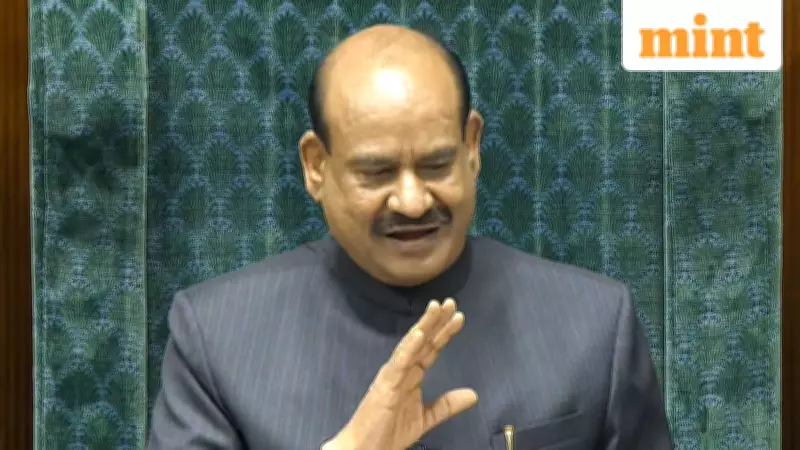
Congress Women MPs Accuse Speaker of Succumbing to BJP Pressure Over PM Modi's Absence
In a significant development within India's parliamentary proceedings, female Members of Parliament from the Indian National Congress have formally addressed a letter to Lok Sabha Speaker Om Birla. The communication, dated Monday, expresses profound concern and alleges that the Speaker, under sustained pressure from the ruling Bharatiya Janata Party (BJP), has leveled serious and unfounded accusations against them. This action, they claim, was an attempt to rationalize the conspicuous non-attendance of Prime Minister Narendra Modi during a critical House session.
Allegations of Fabricated Threats and Intimidation
The letter from the Congress MPs comes directly in response to statements made by Speaker Om Birla in the Lok Sabha just days prior. During the session, Birla asserted that he possessed what he described as "concrete information" indicating that several Congress lawmakers were planning to advance towards Prime Minister Modi's designated bench and carry out "some unexpected act." Citing this purported intelligence as the primary reason, the Speaker disclosed that he had consequently advised the Prime Minister against attending the House to participate in the debate on the Motion of Thanks for the President's address.
The Congress women MPs have vehemently denied these allegations, framing them as a politically motivated smear campaign. "We are being targeted simply because we have consistently fought against Prime Minister Narendra Modi's anti-people government and demanded accountability from him," the letter states. It further contends, "His absence from the House was not due to any threat from us; it was an act of fear. He did not have the courage to face the Opposition."

A Plea for Impartiality and Constitutional Integrity
The signatories, which include prominent figures such as Priyanka Gandhi Vadra, Jyothimani, R Sudha, Varsha Gaikwad, and Jyotsna Mahant, have positioned themselves as defenders of democratic norms. They emphasize their commitment to non-violence and their role as elected representatives. "We are Members of Parliament from the Indian National Congress, a party that stands for love, peace, constitutional values, and human dignity. We do not believe in violence and intimidation," the letter asserts. "We are brave women elected representatives who will not be silenced by intimidation."
Central to their appeal is a call for the Speaker to reclaim his constitutional role as an impartial arbiter. "We believe that transparency is the only way to restore the dignity of the Speaker's office and the credibility of this House," the MPs wrote. While expressing their utmost respect for the office of the Speaker, they directly addressed the perceived external influence: "However, it is amply clear that you are under sustained pressure from the ruling party. We urge you once again to act as the impartial custodian of the Lok Sabha."
An Appeal to History and Democratic Legacy
The communication concludes with a powerful, almost historic, appeal to Speaker Birla's legacy. The MPs implore him to choose a path of constitutional propriety over political expediency. "Let history remember you as one who stood for what was right in the most trying circumstances and upheld constitutional propriety for the good of the nation," the letter reads. It warns against the alternative: "Let it not remember you as one who bowed to pressure from those who leave no stone unturned in subverting constitutional values and damaging the democratic fabric of our nation."
The MPs framed their decision to write the letter as an act borne out of "deep anguish and a strong sense of constitutional responsibility." They expressed dismay that the Speaker, in their view, had been "forced by the ruling party to make false, baseless, and defamatory allegations against women Members of Parliament belonging to the Opposition, particularly from the Indian National Congress." This episode highlights the ongoing tensions within the Lok Sabha and raises critical questions about parliamentary decorum, political pressure, and the independence of constitutional offices in India's vibrant democracy.






