

Congress Launches Scathing Attack on Modi Government Over India-US Trade Framework
In a sharp political critique, the Congress party has targeted Prime Minister Narendra Modi regarding the recently announced India-US interim trade agreement, raising alarms over potential economic repercussions. The opposition warns that this deal could jeopardize cheaper Russian oil imports, impose higher agricultural duties, and introduce significant uncertainty for India's IT and services export sectors.
Jairam Ramesh's Stinging Remarks on Modi-Trump Relations
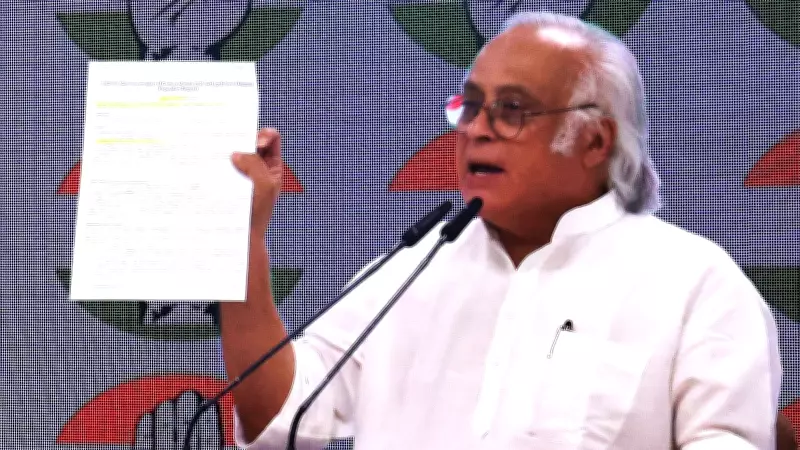
Congress Rajya Sabha MP Jairam Ramesh took a direct jab at PM Modi's diplomatic engagements with US President Donald Trump, referencing the high-profile events 'Howdy Modi' in 2019 and 'Namaste Trump' in 2020. Ramesh remarked, "All the hugs and photo-ops have not amounted to much. Namaste Trump has scored over Howdy Modi... Dost dost na raha [The friend is no longer one]." This comment came in response to Modi's earlier social media post where he referred to Trump as a "dear friend" and expressed gratitude for a tariff reduction on Made in India products to 18%.
Key Concerns Raised by Congress on Trade Deal Implications
According to Congress, the joint statement on the interim trade framework, while lacking detailed specifics, indicates several critical outcomes:

- Cessation of Russian Oil Imports: India is expected to halt oil imports from Russia, with the US threatening a 25% penalty if purchases continue directly or indirectly.
- Impact on Indian Farmers: The deal may require India to slash import duties to benefit American farmers, potentially at the expense of domestic agricultural interests.
- Trade Imbalance: India's annual imports from the US could triple, erasing the longstanding goods trade surplus, while exports to the US might face higher duties.
- Uncertainty for Services Exports: Significant ambiguity looms over India's exports of IT and other services to the United States, posing risks to a key economic sector.
Details of the Proposed India-US Interim Trade Agreement
The framework outlines mutual concessions aimed at bolstering bilateral trade. India has committed to:
- Reduce or eliminate tariffs on American industrial products.
- Lower duties on various US agricultural and food items, including animal feed, nuts, fruits, soybean oil, wine, and spirits.
- Address non-tariff barriers affecting US medical devices, ICT products, and agricultural imports.
In return, the United States will:
- Impose a reciprocal tariff of 18% on Indian exports such as textiles, apparel, leather goods, footwear, and machinery.
- Lift tariffs on select items, including specific aircraft and components, generic medicines, and gems and diamonds.
Additionally, India plans to purchase approximately $500 billion worth of goods from the US over the next five years, covering energy, aircraft, precious metals, technology equipment, and coking coal. Both nations have pledged to implement this interim framework swiftly while continuing negotiations for a comprehensive trade agreement.
PM Modi's Response and Vision for the Trade Deal
Prime Minister Narendra Modi expressed gratitude to President Trump for advancing the negotiations, stating, "We have agreed on a framework for an Interim Trade Agreement between our two great nations." He highlighted that this framework reflects the "depth, trust and dynamism" of the India-US relationship and is poised to boost domestic growth. Modi emphasized that the agreement would reinforce the Make in India initiative by creating new opportunities for farmers, entrepreneurs, small enterprises, start-ups, fishermen, and innovators. He also projected large-scale employment generation, particularly for women and youth, and noted that the focus on innovation would enhance investment and technology collaboration in advanced sectors, contributing to resilient global supply chains and shared prosperity.

The interim framework emerged after months of discussions between New Delhi and Washington, part of broader bilateral trade talks initiated in February 2025. As political debates intensify, the economic and diplomatic ramifications of this deal remain a focal point in India's policy landscape.





