Congress Condemns PM Modi's Knesset Speech as Unabashed Defense of Netanyahu
The Congress party on Thursday launched a sharp critique of Prime Minister Narendra Modi's address to the Israeli Knesset, labeling it an "unabashed defence of his host" Benjamin Netanyahu. The party asserted that this stance has significantly diminished India's moral standing on the global stage. In a move to bolster their argument, Congress released a historical letter written by India's first Prime Minister, Jawaharlal Nehru, to renowned physicist Albert Einstein, which underscores the importance of Arab rights in the context of Israel's creation.
Historical Context: Nehru's 1947 Letter to Einstein
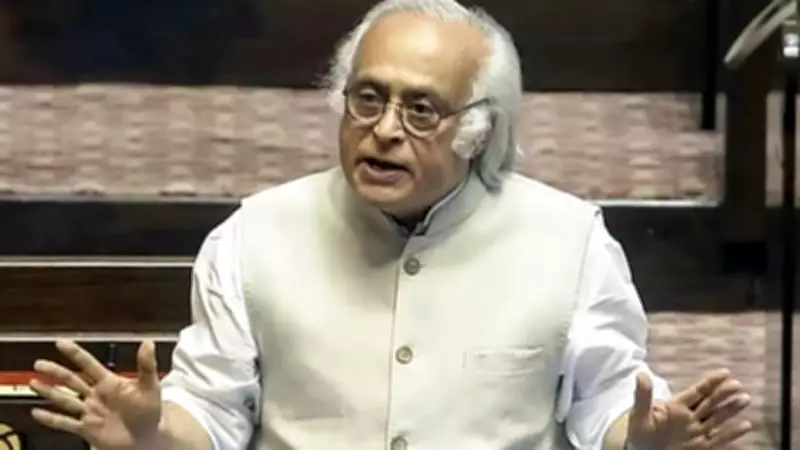
Congress spokesman Jairam Ramesh referenced Prime Minister Modi's statement about India recognizing Israel on the day of his birth, countering it with historical correspondence. Ramesh highlighted that Einstein wrote to Nehru on June 13, 1947, concerning the establishment of Israel, and Nehru responded on July 11 of the same year. The party posted Nehru's letter on social media platform X, where he expressed nuanced views on the issue.
In the letter, Nehru wrote, "I confess that while I have a very great deal of sympathy for the Jews, I feel sympathy for the Arabs also in their predicament." This statement is being used by Congress to contrast with what they perceive as Modi's one-sided support for Israel, arguing that it reflects a departure from India's traditional balanced approach in international diplomacy.

BJP Retaliates, Citing Rahul Gandhi's Frustration
The Bharatiya Janata Party (BJP) swiftly responded to Congress's criticism, dismissing it as a reflection of frustration over Rahul Gandhi's fading prime ministerial prospects. BJP spokesman Sambit Patra emphasized the positive reception of PM Modi's Knesset address, noting the standing ovation he received and the honor of the Speaker's Medal. Patra accused Congress of attempting to tarnish India's image through what he described as unnecessary stirs and campaigns, rather than engaging in constructive political discourse.
This exchange highlights the ongoing political tensions in India, with Congress leveraging historical documents to challenge the current government's foreign policy, while the BJP defends its actions as bolstering India's international prestige. The debate underscores deeper ideological divides over India's role in global affairs and its historical stance on sensitive international issues like the Israel-Palestine conflict.