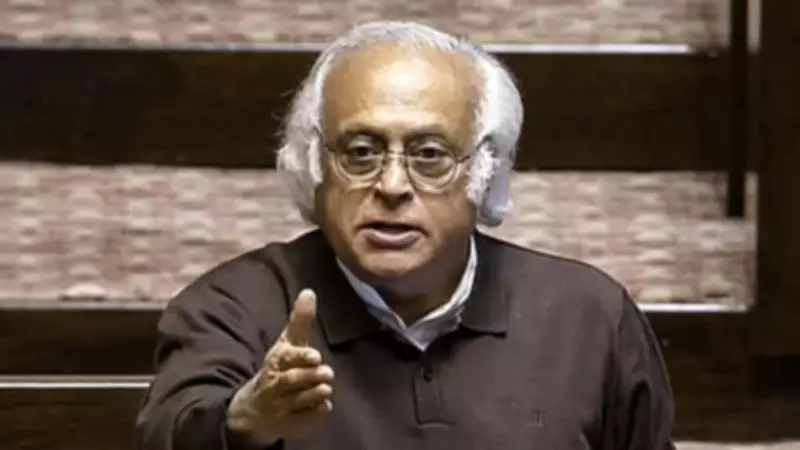
Congress Party Stands with Supreme Court in NCERT Textbook Dispute
The Congress party has publicly declared its support for the Supreme Court's position regarding the ongoing NCERT textbook controversy, sharply criticizing the Rashtriya Swayamsevak Sangh (RSS) for what it describes as a 'mischief-driven' exercise aimed at modifying educational materials. This development comes amid heightened tensions over alleged attempts to revise textbooks, with the Congress aligning itself with judicial oversight to safeguard academic integrity.
Allegations of Mischief and Educational Interference
In a strongly worded statement, Congress leaders accused the RSS of orchestrating a systematic effort to influence NCERT textbooks, labeling it as an act full of mischief. They argued that such actions undermine the foundational principles of education by introducing biased or altered content that could distort historical and social narratives. The party emphasized that educational resources should remain free from political or ideological manipulation to ensure unbiased learning for students across India.
Supreme Court's Role and Broader Implications
The Supreme Court has been actively involved in addressing concerns related to the NCERT textbook revisions, with recent hearings focusing on the legality and transparency of the process. By backing the court, the Congress aims to bolster judicial scrutiny and accountability in educational matters. This move is seen as part of a larger political strategy to challenge what the opposition perceives as overreach by affiliated groups in shaping national curricula.

Experts suggest that this controversy highlights deeper issues about educational autonomy and the role of non-governmental organizations in policy-making. The Congress's stance reinforces calls for greater public consultation and expert involvement in textbook development to prevent unilateral changes that could impact millions of students.
Political Reactions and Future Outlook
Reactions from other political entities have been mixed, with some supporting the Congress's position while others defend the RSS's contributions to educational initiatives. The debate is expected to intensify as the Supreme Court continues its deliberations, potentially setting precedents for how educational content is regulated in India. Observers note that this row could influence upcoming policy discussions and electoral dynamics, especially in contexts where education is a key voter concern.
In conclusion, the Congress party's endorsement of the Supreme Court in the NCERT textbook dispute underscores a commitment to preserving educational standards against perceived ideological encroachments. As the legal and political battles unfold, the outcome may reshape the landscape of Indian education and its governance.