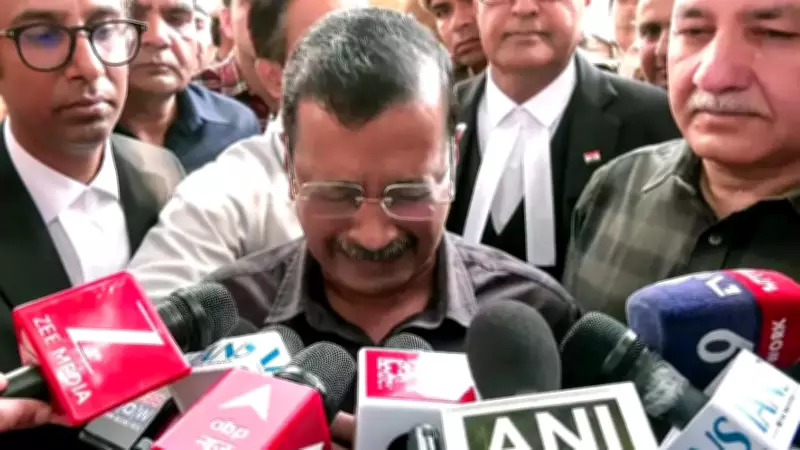
Delhi Court Delivers Major Relief to AAP Leaders in Excise Policy Case
In a significant legal development, a Delhi court has discharged former Chief Minister Arvind Kejriwal, former Deputy Chief Minister Manish Sisodia, and 21 other individuals in the high-profile Delhi excise policy case. The ruling, delivered by the Rouse Avenue Court, marks a major setback for the Central Bureau of Investigation (CBI) in one of the most politically charged cases in recent Indian history.
Court Rejects CBI Chargesheet Citing Lack of Evidence
The court refused to take cognisance of the CBI chargesheet, pointing to substantial contradictions and a clear absence of concrete evidence. In its detailed observations, the court noted that there was no prima facie case established against the accused, and it found no indication of criminal intent in their actions.
Key aspects of the court's decision include:

- No overarching conspiracy: The court explicitly dismissed allegations of a larger conspiracy, stating that the evidence presented did not support such claims.
- Lack of criminal intent: The ruling emphasized that the actions of the accused did not demonstrate any malicious or illegal motives.
- Contradictions in the case: The court highlighted inconsistencies in the CBI's arguments, which weakened the prosecution's stance.
Political and Legal Implications of the Ruling
This verdict comes as a substantial relief for the Aam Aadmi Party (AAP) and its leadership, who have faced intense scrutiny over the excise policy allegations. The case had drawn widespread attention due to its potential impact on Delhi's political landscape and the reputations of key figures involved.
The ruling is expected to have several consequences:
- It may influence public perception ahead of upcoming elections, bolstering AAP's position.
- It raises questions about the CBI's investigative processes in politically sensitive cases.
- It could lead to calls for greater transparency and accountability in high-profile legal proceedings.
Legal experts suggest that this decision underscores the importance of robust evidence in court proceedings, particularly in cases with significant political overtones. The court's firm stance on the lack of a prima facie case serves as a reminder of the judicial system's role in upholding justice based on factual merit.
Background and Context of the Excise Policy Case
The Delhi excise policy case centered on allegations of irregularities in the formulation and implementation of the capital's liquor sales policy. The CBI had accused Kejriwal, Sisodia, and others of involvement in a conspiracy that allegedly favored certain entities, leading to financial losses and procedural violations.
However, with the court's discharge order, these allegations have been effectively dismissed for now, pending any potential appeals or further legal actions. The ruling not only clears the names of the accused but also challenges the narrative that had been built around the case in media and political circles.
As the news spreads, reactions from various political parties and legal analysts are anticipated, with debates likely to focus on the implications for governance and anti-corruption efforts in India. The case's outcome may also prompt discussions on the balance between investigative zeal and judicial scrutiny in complex legal matters.