Delhi Court Discharges All Accused in Liquor Policy Case, Including Kejriwal and Sisodia
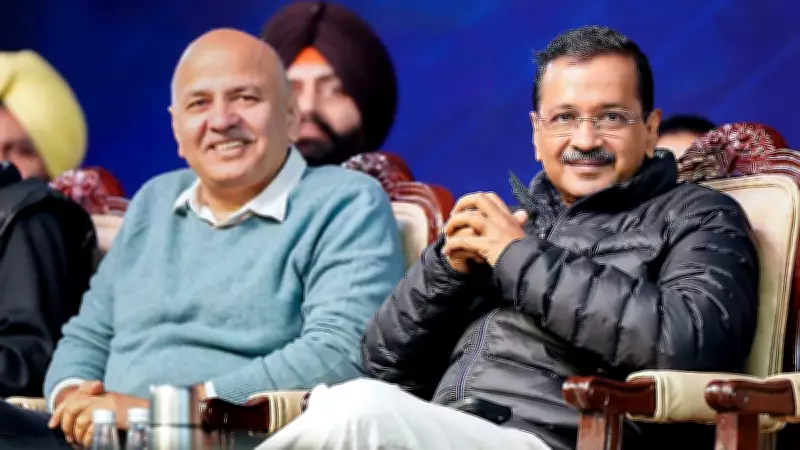
In a significant legal development, a Delhi court has discharged all 23 accused individuals in the high-profile liquor policy case. This decision includes prominent political figures such as Delhi Chief Minister Arvind Kejriwal and former Deputy Chief Minister Manish Sisodia. The court's ruling came after a thorough examination of the evidence presented by the Central Bureau of Investigation (CBI), which was found to have several critical shortcomings.
Court Cites Lacunae in CBI Chargesheet
The court noted multiple lacunae or gaps in the CBI chargesheet, which it deemed insufficient to proceed with the trial. According to the judgment, these deficiencies were sought to be addressed based on statements provided by an approver, but the court found this approach inadequate to establish a prima facie case against the accused. The decision underscores the importance of robust and legally sound evidence in criminal proceedings, particularly in cases involving high-stakes political implications.
Background and Implications of the Case
The liquor policy case has been a focal point of political and legal scrutiny in India, with allegations of irregularities in the formulation and implementation of Delhi's excise policy. The CBI had filed the chargesheet alleging corruption and misconduct, leading to the arrest and prosecution of several individuals, including key members of the Aam Aadmi Party (AAP). The discharge of all accused marks a pivotal moment, potentially reshaping the political landscape in Delhi and raising questions about the investigative processes involved.

Legal experts have highlighted that this ruling may prompt a reevaluation of similar cases where chargesheets rely heavily on approver testimonies without corroborative evidence. The court's emphasis on procedural integrity and evidentiary standards could influence future investigations and prosecutions in India.
Reactions and Future Steps
Following the court's decision, reactions have been mixed, with supporters of the accused hailing it as a vindication of their innocence, while critics express concerns about accountability in governance. The CBI has the option to appeal the discharge order in higher courts, which could prolong the legal battle. Meanwhile, the discharged individuals, including Kejriwal and Sisodia, are expected to resume their political activities, potentially impacting upcoming electoral dynamics in Delhi and beyond.
This case highlights the intricate interplay between law, politics, and justice in India, serving as a reminder of the challenges in balancing investigative rigor with fair legal proceedings. As developments unfold, stakeholders will closely monitor any appeals or further actions by the CBI and other involved parties.