CPI Parliamentarian Formally Accuses Prime Minister Modi of Model Code of Conduct Violation
In a significant development that has stirred political circles, Communist Party of India (CPI) Member of Parliament Binoy Viswam has formally alleged that Prime Minister Narendra Modi's recent public address constituted a clear violation of the Model Code of Conduct (MCC). The accusation comes through an official letter submitted to the Chief Election Commissioner (CEC) on April 19, 2026, marking a serious charge during a sensitive electoral period.
Detailed Allegations in the Formal Complaint
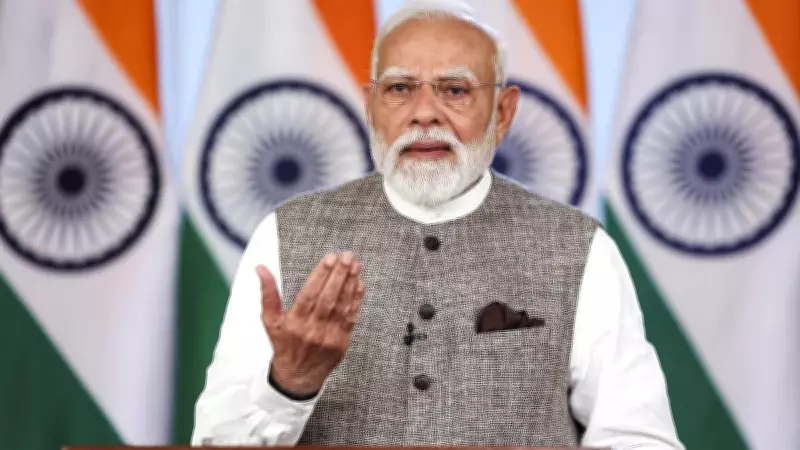
The CPI parliamentarian's letter presents a detailed case against the Prime Minister's address, which was delivered while the Model Code of Conduct remains actively enforced across five states currently undergoing electoral processes. According to the complaint, the content of PM Modi's speech crossed ethical boundaries by being "political in nature" and containing what Viswam describes as "partisan assertions" and "selective narratives."
Viswam's formal communication to the Election Commission argues that the Prime Minister's remarks were strategically designed to influence public opinion on matters that are currently subjects of active political contestation. The timing of the address, according to the CPI MP, represents a deliberate attempt to sway voter sentiment during a critical period when political parties should maintain electoral decorum and neutrality.

The Context of the Model Code of Conduct Violation Claim
The Model Code of Conduct represents a crucial framework established by the Election Commission of India to ensure free and fair elections. When active, it imposes specific restrictions on political speech and activities to prevent undue influence on voters. The current enforcement in five states makes any perceived violation particularly significant, as it could potentially impact electoral outcomes in those regions.
Viswam's letter emphasizes that the Prime Minister, as the nation's highest elected official, bears special responsibility to uphold the integrity of electoral processes. The CPI parliamentarian contends that the address in question failed to maintain the expected neutrality, instead presenting arguments that favored particular political perspectives on issues currently being debated in the electoral arena.
Potential Implications and Electoral Ramifications
This formal complaint arrives at a politically sensitive juncture, with elections underway in multiple states. The allegations, if substantiated, could have several important consequences:
- Potential disciplinary action against the ruling party or its representatives
- Increased scrutiny of political speeches during the remaining election period
- Possible impact on voter perception in the affected states
- Strengthened calls for stricter enforcement of the Model Code of Conduct
The Election Commission now faces the task of thoroughly examining the CPI MP's allegations to determine whether the Prime Minister's address indeed violated established electoral guidelines. This process will involve careful analysis of the speech content, its timing relative to the electoral calendar, and its potential influence on voting behavior in the five states where the Model Code of Conduct remains in force.
Political observers note that such formal complaints against sitting prime ministers are relatively rare, making this development particularly noteworthy in India's electoral history. The outcome of the Election Commission's review could set important precedents for how the Model Code of Conduct is applied to high-ranking officials during future election cycles.