

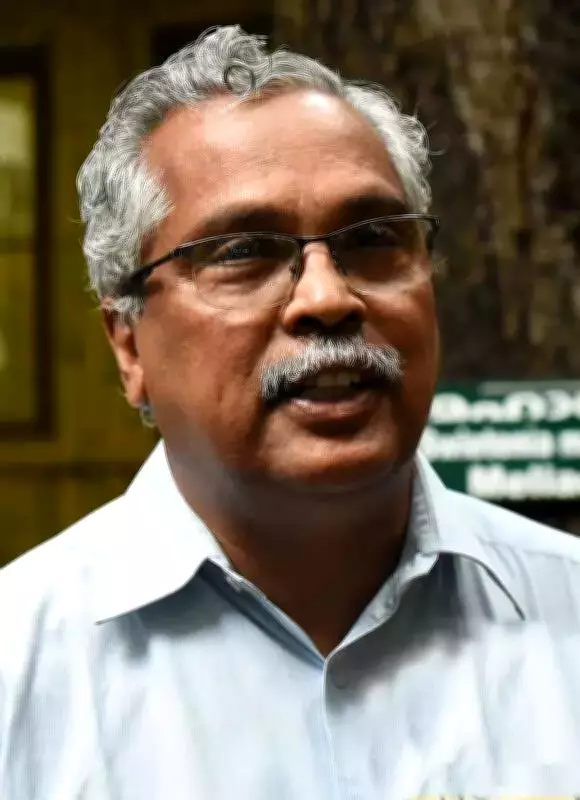
CPI Declines Doordarshan Election Broadcast Over Censorship Demands
The Communist Party of India (CPI) has made a significant decision to forfeit the free election campaign broadcasting slot allocated to the party by Doordarshan. This move comes after a dispute over content censorship, highlighting tensions between political parties and public broadcasting institutions during election periods.
State Secretary Binoy Viswam Announces Decision
CPI state secretary Binoy Viswam announced on Friday that the party's Kerala unit has decided against using the free broadcasting opportunity provided by Doordarshan. The decision follows what Viswam described as "differences of opinion" with conditions imposed by Doordarshan authorities regarding the content of their campaign speech.
Viswam revealed that CPI was specifically asked to remove two paragraphs from their prepared campaign speech that contained criticism of the central government. "Doordarshan is a public broadcasting institution. It's not an institution run by BJP," Viswam stated emphatically during his announcement.

The Censorship Controversy
According to Viswam, party officials were informed that their programme could only be recorded after removing portions that criticized the BJP and central government. This suggestion reportedly came from Doordarshan based on recommendations from their vetting committee.
"Since we were told that the edited portion of the programme script can't be recorded, CPI decided not to participate in the programme," Viswam explained, emphasizing the party's principled stand against what they perceive as censorship.
Allegations of Political Bias
The CPI leader went further in his criticism, alleging that the editing of their text was specifically designed to please the BJP and its government at the Centre. Viswam accused the Modi government of transforming Doordarshan and Akashvani into instruments for amplifying "the master's voice," referring to what he characterized as government propaganda.
This development raises important questions about:
- The independence of public broadcasting institutions during election periods
- The balance between editorial control and political expression
- The role of vetting committees in determining acceptable political discourse
- The broader implications for opposition parties seeking media access
The incident underscores ongoing tensions between political parties and media institutions in India's democratic landscape, particularly as election campaigning intensifies across the country.






