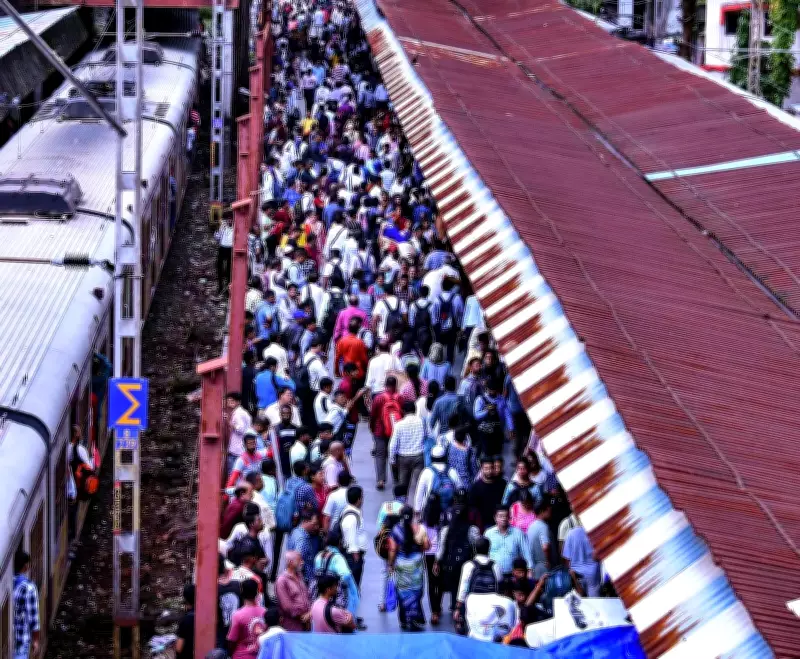
Mumbai: Less than a day into the water tanker strike, Chhatrapati Shivaji Maharaj Terminus (CSMT) found itself in troubled waters on Monday, prompting Central Railway (CR) to activate contingency measures.
Daily Water Consumption and Supply
CSMT consumes over 13 lakh litres of water daily. The Brihanmumbai Municipal Corporation (BMC) supplies around 6 lakh litres, while the remaining is sourced through 144 tankers. This water is used to supply 26 originating long-distance trains, maintain station buildings and public toilets, run canteens and staff facilities, clean platforms, and wash coaches at the Wadi Bunder depot.
Shortfall on Day One
By Monday noon, only 50 tankers reached CSMT against the expected 70, resulting in a shortfall of nearly 4.5 lakh litres. To prevent disruption, CR made additional water facilities available at Igatpuri, Panvel, and Bhusawal stations. Officials warned that this contingency plan could hit schedules, as trains may need to be detained longer at intermediate stations to get adequate water.

Potential Worsening of Situation
A CR official cautioned that the situation could worsen if the crisis is not resolved soon. Passenger amenities, including station toilets and drinking water facilities, could come under pressure if the shortage persists. “The strike has disrupted our tanker-based backup supply. We are currently managing the situation through emergency arrangements. The 6 lakh litres supplied daily by BMC are continuing as usual. We have requested the civic body to provide additional water as per requirement. Our effort is to ensure that passengers face minimum inconvenience,” said Swapnil Nila, Chief Public Relations Officer, CR.
Impact on Other Stations
Officials said there was no major impact yet at Dadar, which is also heavily dependent on tanker water, and only minimal disruption at Lokmanya Tilak Terminus (LTT). Dadar receives around 4.8 lakh litres daily through 48 tankers, including supplies for Dadar Midtown. BMC does not send supplies to the station, making it particularly vulnerable if the strike continues.