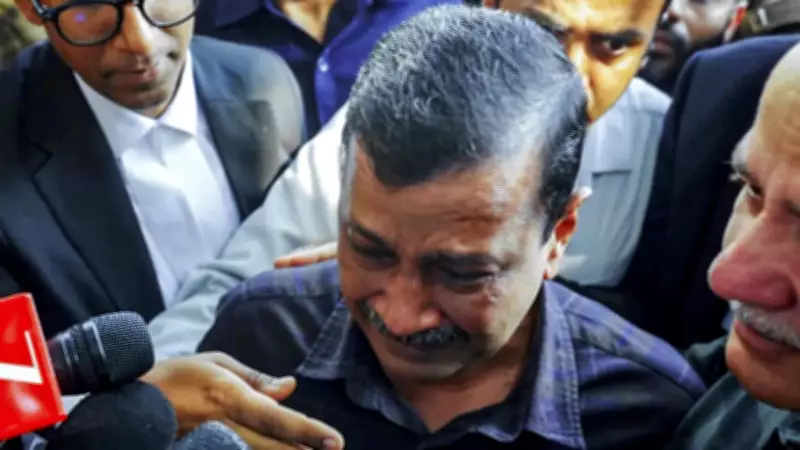
Delhi Court Clears Arvind Kejriwal and 21 Co-Accused in Liquor Policy Case
In a significant legal development, a Delhi court has discharged former Delhi Chief Minister and Aam Aadmi Party (AAP) convenor Arvind Kejriwal along with 21 other individuals in the high-profile liquor policy case. The decision comes nearly two years after Kejriwal's arrest, marking a pivotal moment in the protracted legal battle.
Court Rejects CBI Chargesheet
The court, in its ruling on Friday, declined to take on record the chargesheet filed by the Central Bureau of Investigation (CBI) against the accused. This procedural move effectively led to the discharge of all parties involved, including former Deputy Chief Minister Manish Sisodia, who was also implicated in the case.
The liquor policy case, which has been under scrutiny since its inception, alleged irregularities in the formulation and implementation of Delhi's excise policy. The CBI had accused Kejriwal, Sisodia, and others of involvement in a scam that purportedly caused significant financial losses to the state exchequer.

Timeline of Events
- Arrest and Investigation: Arvind Kejriwal was arrested in connection with the case nearly two years ago, following extensive investigations by central agencies.
- Legal Proceedings: Over the subsequent months, the case saw multiple hearings, with the defense challenging the evidence and charges presented by the prosecution.
- Court's Decision: The recent discharge order highlights the court's assessment that the CBI's chargesheet lacked sufficient grounds to proceed against the accused.
This development is expected to have far-reaching implications, not only for the individuals involved but also for the political landscape in Delhi. The AAP, which has consistently denied any wrongdoing, may view this as a vindication of its stance against what it termed as politically motivated charges.
Reactions and Implications
While official reactions from the accused and their parties are awaited, legal experts suggest that the discharge could lead to renewed debates on the handling of high-profile cases by investigative agencies. The court's refusal to admit the CBI chargesheet raises questions about the robustness of the evidence collected during the investigation.
As the dust settles, this ruling underscores the complexities of legal processes in corruption cases and the critical role of judicial scrutiny in upholding due process. The discharge of Kejriwal, Sisodia, and others marks a notable chapter in the ongoing narrative of governance and accountability in Indian politics.