

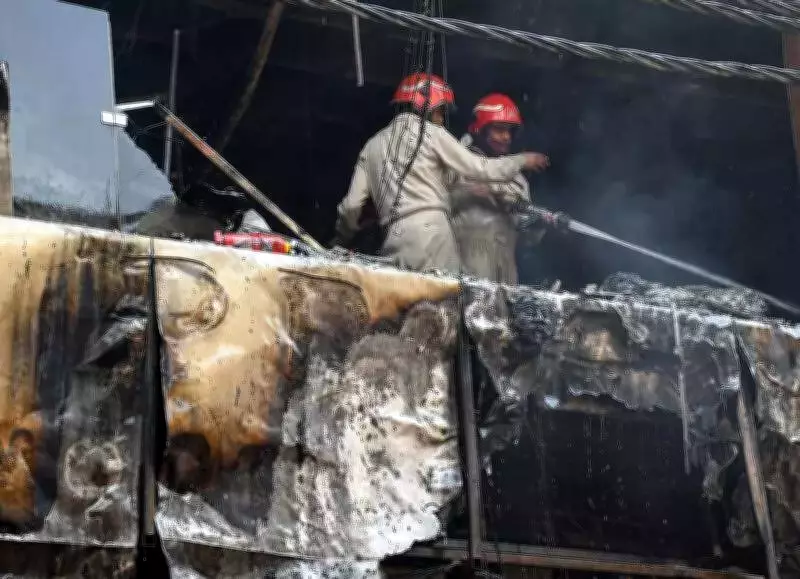
Delhi Fire Department Battles Rising Blaze Incidents: 36 Daily Calls Recorded
New Delhi: The Delhi Fire Service (DFS) has been grappling with an alarming surge in fire emergencies, responding to an average of 36 calls per day so far this year. Official data reveals that between January 1 and March 15, firefighters tackled a staggering 2,716 fire-related incidents across the national capital.
These emergencies have resulted in tragic consequences, with 13 people losing their lives and 111 others sustaining injuries of varying severity. The human toll underscores the urgent need for enhanced fire safety measures in both residential and commercial spaces.
Electrical Faults Identified as Primary Culprit in 85% of Cases
A senior fire official highlighted that approximately 85% of fire incidents are believed to be caused by electrical faults. "People tend to install new electrical appliances and equipment every year but often fail to upgrade or properly maintain their wiring systems, which can lead to short circuits," he explained.

He further elaborated that many homes contain highly combustible materials, such as curtains, wooden furniture, and other household items. Residents frequently neglect to follow proper fire safety norms while constructing or furnishing their houses. This dangerous combination of outdated electrical systems and flammable materials significantly increases the risk of fires spreading rapidly.
Post-Winter Hazards and Modern Building Challenges
Fire officials issued a specific warning regarding the post-winter period. After the cold season, when most electrical equipment remains unused for extended periods, the sudden act of switching it back on without proper inspection or servicing can be hazardous.
"The accumulated dust, moisture, or unnoticed wear and tear in the wiring and components may increase the risk of malfunction. In such cases, the abrupt restoration of power can easily lead to short circuits, equipment damage, or even fire hazards if preventive maintenance is neglected," cautioned the officials.
Another senior official pointed to the challenges posed by modern architecture. "Many buildings contain a high load of flammable materials, which not only accelerates the spread of fire but also complicates rescue operations. Fires in such structures can escalate within minutes, leaving very little time for evacuation or containment."
He added a critical observation about contemporary construction trends: "Moreover, the extensive use of glass facades in modern buildings poses an extra challenge for firefighters as it can obstruct access, increase the intensity of the blaze, and hinder rescue efforts."
Alarming Statistics on Fire No-Objection Certificate Violations
The DFS's analysis of fire incidents during the 2024-25 fiscal year revealed deeply concerning compliance issues. The data showed that 7,312 fires were reported in buildings operating without the mandatory Fire No-Objection Certificates (NOCs).
Among various types of establishments, residential properties were the most severely affected, accounting for 5,506 fire incidents. Shockingly, of these residential fires, only 12 properties had a valid fire NOC; the remaining 5,494 were operating without one, highlighting a massive gap in regulatory adherence.
Continuous Efforts to Enhance Public Awareness and Safety
The fire department emphasized its ongoing commitment to public education. "We constantly strive to raise public awareness about the measures they should take to make their homes and workplaces safer from fire hazards," stated a senior official.
The combination of outdated electrical infrastructure, prevalent flammable materials, and widespread non-compliance with fire safety regulations creates a perfect storm for disaster. The DFS continues to urge citizens to prioritize electrical maintenance, reduce combustible materials in living spaces, and ensure proper fire safety certifications are in place to prevent future tragedies.






