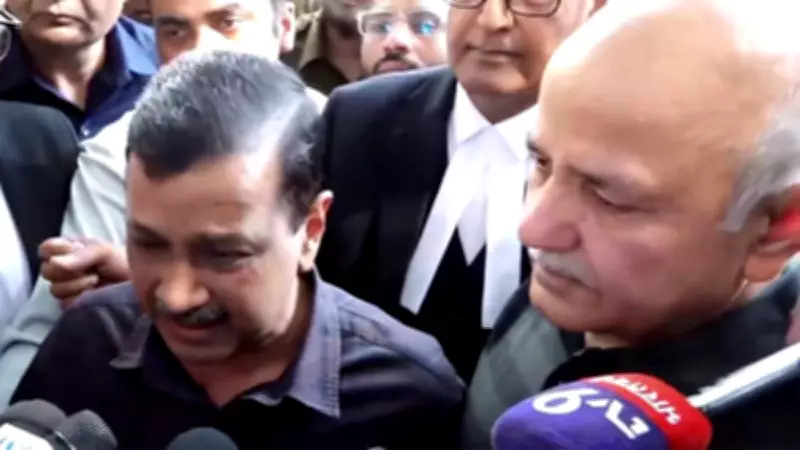
The Delhi High Court is set to hear on May 11 the Central Bureau of Investigation's plea challenging the trial court's order that discharged former Delhi Chief Minister Arvind Kejriwal and former Deputy Chief Minister Manish Sisodia in the excise policy case. Justice Swarana Kanta Sharma, who will preside over the matter, indicated on Thursday that she would pass the necessary orders regarding the appointment of the case on Monday, and the substantive hearing would commence on Tuesday.
Background of the Case
The excise policy case pertains to alleged irregularities in the formulation and implementation of Delhi's excise policy for 2021-22. The CBI had registered a case against Kejriwal, Sisodia, and several others, accusing them of corruption and criminal conspiracy. However, in a significant development earlier this year, a trial court discharged both leaders, citing lack of sufficient evidence to proceed with the trial.
CBI's Challenge
The CBI, in its petition before the Delhi High Court, has argued that the trial court's order was erroneous and that there is prima facie evidence warranting a full trial. The agency contends that the discharge order failed to consider key testimonies and documentary evidence that point to the involvement of the accused in the alleged scam.

Legal Implications
The hearing on May 11 is expected to be closely watched, given the political significance of the case. Kejriwal and Sisodia, both senior leaders of the Aam Aadmi Party, have maintained their innocence, claiming that the case is politically motivated. The high court's decision could have far-reaching implications for the ongoing investigation and the legal landscape surrounding the excise policy.
Justice Swarana Kanta Sharma's directive to finalize procedural matters on Monday and begin arguments on Tuesday indicates that the court intends to expedite the process. The CBI has sought a stay on the trial court's discharge order, which, if granted, would effectively reinstate the criminal proceedings against the two leaders.
Political Reactions
The development has drawn sharp reactions from political circles. The AAP has accused the central government of using investigative agencies to target opposition leaders, while the BJP has called for a thorough probe into the excise policy allegations. The case has become a flashpoint in the ongoing political rivalry between the two parties.
As the legal battle moves to the high court, all eyes will be on the arguments presented by both sides. The outcome of this hearing could set a precedent for how similar cases involving political figures are handled in the future.