

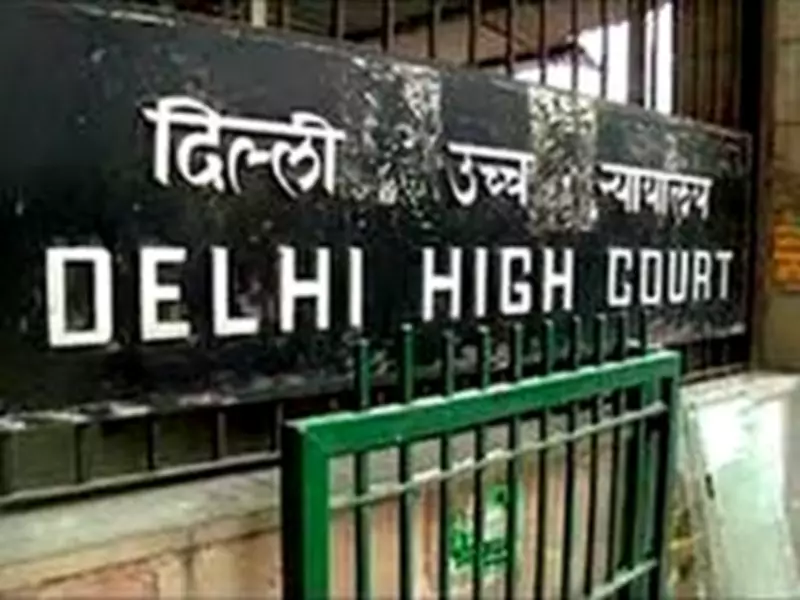
The Delhi High Court on Friday upheld the bail granted to Ishrat Jahan, a key accused in the 2020 Delhi riots case, observing that there was no prima facie evidence to suggest her involvement in a larger conspiracy. The court dismissed the Delhi Police's appeal challenging the trial court's order granting her bail.
Court Observations
Justice Anup Jairam Bhambhani, while pronouncing the judgment, noted that the allegations against Jahan were primarily based on her presence at the scene of the crime and her social media posts. However, the court found that these were insufficient to establish a criminal conspiracy under the Unlawful Activities (Prevention) Act (UAPA).
The judge further remarked that the police had failed to present any concrete evidence linking Jahan to the planning or execution of the riots that erupted in Northeast Delhi in February 2020. The court emphasized that mere membership or association with a group does not amount to an offense under UAPA unless there is active participation in unlawful activities.

Background of the Case
Ishrat Jahan was arrested in September 2020 in connection with the communal violence that claimed over 50 lives and left hundreds injured. She was accused of being part of a larger conspiracy, along with other activists, to incite violence during the protests against the Citizenship Amendment Act (CAA).
The trial court had granted her bail in April 2021, citing lack of evidence and her prolonged detention. The Delhi Police subsequently moved the High Court, challenging the bail order on grounds that Jahan posed a threat to witnesses and could tamper with evidence.
Legal Arguments
During the hearings, the prosecution argued that Jahan's social media posts and her presence at the protest sites indicated her active role in the conspiracy. However, the defense countered that her posts were merely expressions of opinion and that she was exercising her fundamental right to free speech.
The High Court, in its verdict, agreed with the defense, stating that the posts did not incite violence or hatred. The court also noted that the police had not provided any material to show that Jahan was part of any organized plot to disrupt public order.
Implications of the Verdict
The ruling is seen as a significant setback for the Delhi Police, which has faced criticism for its handling of the riots investigation. Legal experts say the judgment reinforces the principle that bail is the rule and jail is the exception, especially when there is no substantial evidence of guilt.
Ishrat Jahan's release on bail is likely to have implications for other accused in the same case, including activists and students who have been in custody for over a year. The case continues to be closely watched by human rights organizations and political observers.






