Delhi Police Denies Permission for Youth Congress Protest at Jantar Mantar
In a significant development, the Delhi Police has officially denied permission for a planned protest by the Delhi Youth Congress (DYC) at Jantar Mantar. The decision comes amid heightened tensions following previous demonstrations and raises questions about the balance between security and democratic expression in the capital.
Background of the Planned Protest
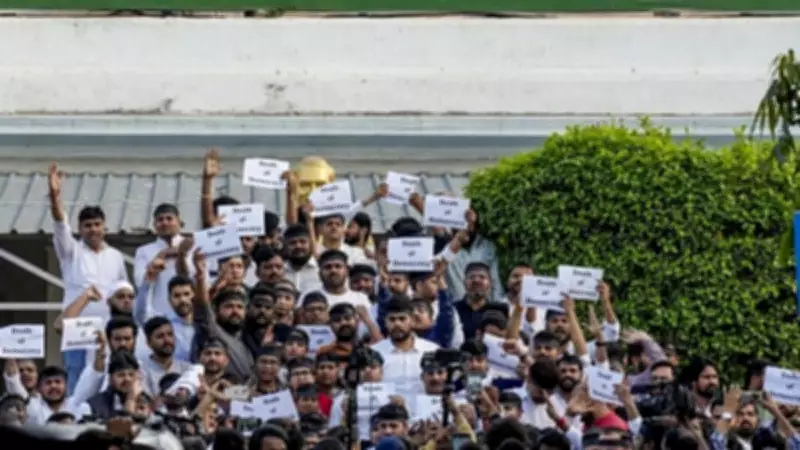
The Delhi Youth Congress had called for a dharna (sit-in protest) scheduled for Thursday. This protest was intended to voice opposition against what the organization describes as "police action" against members of the Indian Youth Congress (IYC). The IYC members had participated in a protest on February 20, which reportedly led to confrontations with law enforcement.
The February 20 protest involved IYC members demonstrating on issues that have not been fully disclosed but are believed to be related to political or social grievances. According to sources, this earlier event resulted in police intervention, prompting the DYC to organize the upcoming protest as a show of solidarity and to demand accountability.

Police Justification for Denial
Delhi Police officials cited multiple reasons for denying permission for the protest at Jantar Mantar, a popular site for demonstrations in Delhi. Security concerns were highlighted as a primary factor, with authorities pointing to the potential for unrest given the recent history of protests in the area. The police emphasized the need to maintain public order and prevent any disruptions to daily life in the vicinity.
Additionally, there are indications that the denial may be linked to broader ongoing tensions surrounding protest activities in Delhi. Jantar Mantar has been a focal point for various political and social movements, and authorities have been increasingly cautious about permitting gatherings there to avoid clashes or law-and-order issues.
Reactions and Implications
The Delhi Youth Congress has expressed disappointment over the police decision, arguing that it infringes on their democratic right to peaceful assembly. A spokesperson for the DYC stated that the protest was meant to be a non-violent expression of dissent and that the denial sets a concerning precedent for future demonstrations.
This incident adds to a series of recent events where protest permissions have been denied or restricted in Delhi, reflecting a broader trend of tightened security measures. It also raises questions about how authorities balance the need for security with the protection of constitutional rights, especially in a politically charged environment.
Looking Ahead
As of now, the Delhi Youth Congress has not announced alternative plans for the protest. The situation remains fluid, with potential for further developments as both sides navigate the legal and political landscape. Observers note that such denials could impact the dynamics of protest culture in India, particularly in urban centers like Delhi where public demonstrations are a common form of political engagement.
In summary, the Delhi Police's refusal to grant permission for the Youth Congress protest at Jantar Mantar underscores the ongoing challenges in managing public assemblies amid security concerns. This decision is likely to spark continued debate over freedom of expression and the role of law enforcement in democratic societies.