Six Years After Delhi Riots, Northeast Neighborhoods Show Signs of Slow Recovery
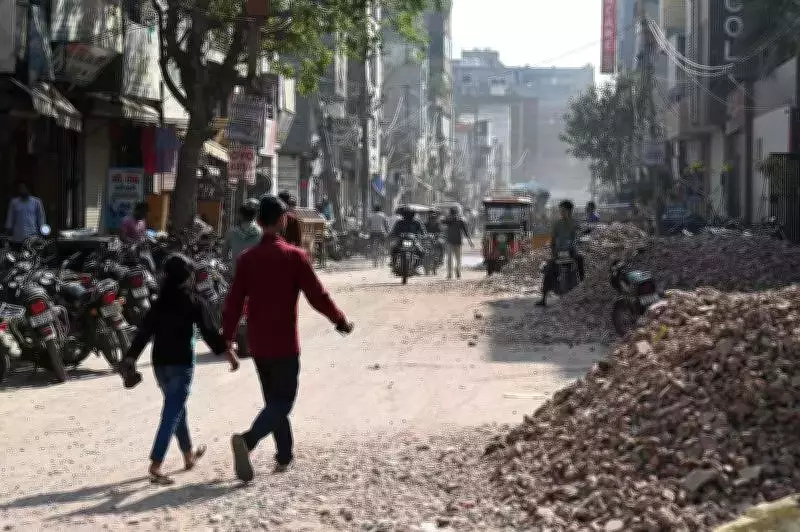
Six years after the devastating communal riots in northeast Delhi in February 2020, the neighborhoods that endured the worst of the violence are slowly on the path to recovery. While deep scars persist, markets have reopened, and homes are being reconstructed, reflecting a gradual return to normalcy amid ongoing challenges.
Rebuilding Efforts in Tyre Market, Gokalpuri
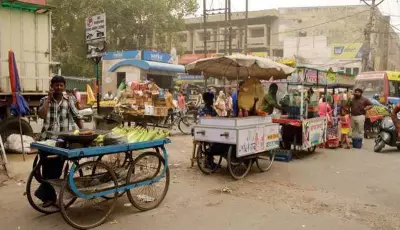
The violence, which claimed at least 53 lives and left over 500 injured, inflicted severe damage on local economies. In Tyre Market, Gokalpuri, nearly 70 to 75 shops were completely gutted, requiring years of painstaking work to rebuild. Today, the market hums with activity as mechanics repair vehicles and shopkeepers attend to customers, though parts of it still bear the marks of serious damage.
Nazar Mohammad, president of the market association, recounted the devastation: "Our businesses were reduced to ashes. We needed funds to start rebuilding, and with government help and support from other organizations, we managed to reopen our shops. The recovery took time—it has been five to six years. While we have recovered to an extent, we still haven't fully regained everything we lost." He added that shops were not only burnt but also looted for three days during the riots.

Tyre Market, built in 2000, comprises 224 shops. Noman, a 40-year-old trader, described the situation back then as "dire" but noted significant improvement: "Compared to 2020, things have improved significantly. The market is gradually getting back its rhythm."
Scars and Stories from Shiv Vihar and Beyond
In Shiv Vihar, the violence destroyed two schools and claimed at least two lives. One of the most horrific incidents involved Dilbar Negi, who was burnt alive inside Anil Sweets. Witnesses reported that rioters set fire to all shops in the area, trapping Negi inside. A witness shared: "We were running to save ourselves. It took nearly three years to rebuild our shop." Even today, burn marks remain visible on some buildings, serving as a grim reminder of the past.
Gulshan Kumar, 55, recalled fleeing his shop when the violence erupted: "It was completely destroyed. They burnt everything. Later, Covid hit us hard. I lost Rs 10 lakh but received only Rs 2 lakh in compensation." By 2023, he had managed to rebuild his shop, and most houses in the area have been reconstructed, though financial losses linger.
Changes in Chand Bagh Puliya and Social Dynamics
At Chand Bagh Puliya, many shopkeepers vacated their premises in the months following the riots. The area witnessed the tragic death of Intelligence Bureau officer Ankit Sharma, who was allegedly stabbed and beaten to death near the bridge, with his body later found in a drain. Over the last two years, several shops here have changed hands, with new tenants moving in.
Bilal Ansari, 28, now runs a fabric store near the bridge: "Most shopkeepers are new. The old ones left out of fear." His 19-year-old co-worker noted that despite initial concerns, business and daily life have largely returned to normal. Residents often point to an old building next to the fabric store that remains locked, as its owner was booked in a riots case.
A by-lane opposite the commercial stretch leads into Moonga Nagar, where residents recounted the tension of February 2020. Numan Malik, 31, who runs a store nearby, summarized the social changes: "People have become quiet and distant. Once close neighbors had stopped speaking to each other." This highlights how, despite outward normalcy, underlying social fractures persist.
The recovery in northeast Delhi is a testament to resilience, but it underscores the long-term impacts of communal violence on communities, economies, and social bonds.