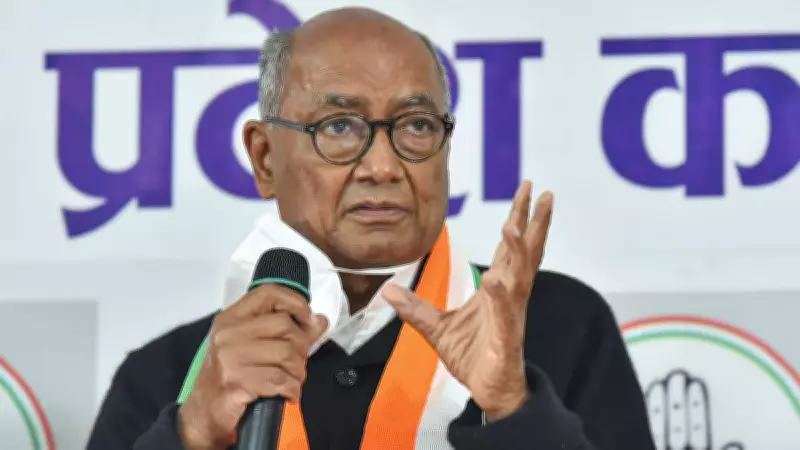
Congress leader Digvijaya Singh has urged Prime Minister Narendra Modi to put the implementation of the three-language policy on hold. Singh expressed concerns that the sudden enforcement of this policy mid-session, without adequate teachers, textbooks, or transition time, is likely to create serious disruption in the education system.
Background of the Three-Language Policy
The three-language policy is part of the National Education Policy (NEP) 2020, which recommends that students learn three languages: two Indian languages and one foreign language. However, the implementation has been contentious, with several states opposing the mandatory teaching of Hindi. Singh's appeal comes amid reports that the Central Board of Secondary Education (CBSE) is pushing for immediate implementation, causing anxiety among students, parents, and schools.
Key Concerns Raised by Digvijaya Singh
- Lack of Preparedness: Schools do not have sufficient teachers trained to teach the additional languages, especially in regions where those languages are not spoken.
- Inadequate Textbooks: Textbooks for the new language subjects are not yet available, making it impossible to start classes effectively.
- Short Transition Period: The policy is being enforced mid-academic session, leaving no time for schools to adjust their curriculum or for students to adapt.
Political Reactions
Singh's statement has sparked debate in political circles. While opposition parties have supported his call for a pause, ruling party leaders have defended the policy, stating that it promotes national integration and linguistic diversity. The Ministry of Education has yet to respond to Singh's request.

Impact on Students and Schools
Educational experts warn that rushing the implementation could lead to increased dropout rates, especially in rural areas where resources are scarce. Schools in non-Hindi speaking states are particularly concerned about the feasibility of teaching Hindi as a compulsory language. Parents have also voiced worries about the additional burden on students.
Digvijaya Singh's intervention highlights the need for a phased and well-planned rollout of the policy, with adequate infrastructure and teacher training. He has called on the Prime Minister to consider the ground realities and ensure that the policy does not harm the interests of students.