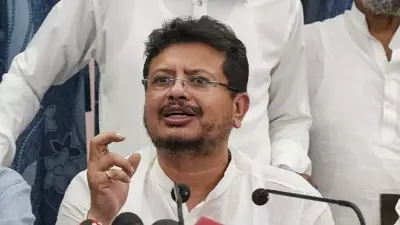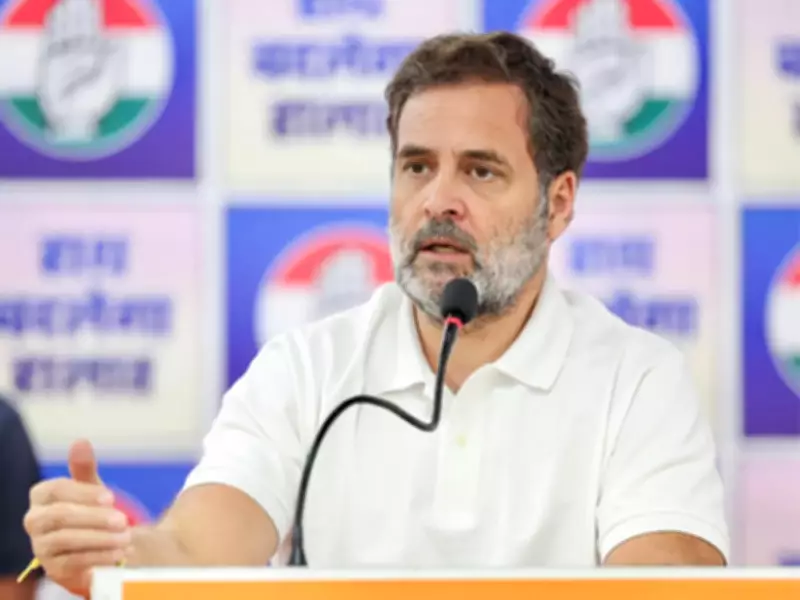
In a significant political development, DMK parliamentary party head K Kanimozhi met Congress leader Rahul Gandhi at his residence in New Delhi on Wednesday for crucial discussions regarding the upcoming Tamil Nadu assembly elections. The meeting aimed to address the growing urgency within the Congress party to initiate already delayed seat-sharing negotiations with its southern ally.
Clearing the Air on Alliance Uncertainty
The visuals of Kanimozhi visiting Rahul Gandhi effectively settled the uncertainty that had been triggered by recent public chatter regarding the stability of the DMK-Congress alliance. Earlier this month, during a separate meeting, the Congress leadership including party president Mallikarjun Kharge and Rahul Gandhi had reportedly conveyed to Tamil Nadu leaders that the alliance with DMK remained firmly in place. They had strongly urged all parties to refrain from making public comments that could potentially undermine the partnership.
Pleasant Discussions with Underlying Tensions
According to reliable sources familiar with the Wednesday meeting, the talks between Kanimozhi and Rahul Gandhi were conducted in a pleasant atmosphere where the DMK representative expressed her party's respect for the Congress. However, Rahul Gandhi is understood to have clearly communicated that the DMK should promptly begin formal discussions on seat-sharing with the committee specifically formed by Congress president Mallikarjun Kharge for this purpose.

This sense of urgency was echoed by Girish Chodankar, the AICC in-charge of Tamil Nadu, who revealed on Tuesday that he had been waiting for approximately two months for the DMK to initiate discussions with the Congress panel. This exasperation appears to be shared widely within the Congress party ranks, reflecting growing impatience with the delay in formal negotiations.
The Contentious Seat-Sharing Numbers
It has been learned that Congress has presented the DMK with a list of 41 seats they wish to contest in the upcoming Tamil Nadu elections. This demand presents a significant point of contention, as the lead Tamil Nadu partner appears reluctant to concede to this request. The context makes this particularly sensitive: during the 2021 assembly polls, Congress had initially sought 41 seats but was ultimately given only 25 constituencies to contest.
While the primary focus of the meeting was on initiating the seat-sharing dialogue, sources indicate that no specific numbers were actually discussed between Rahul Gandhi and the DMK emissary. The emphasis remained on establishing a framework for future negotiations rather than delving into quantitative details during this preliminary encounter.
Historical Alliance Facing Contemporary Pressures
Though the Congress and DMK have been staunch political allies since 2004, their relationship has witnessed noticeable rumblings in recent months. A section of the Tamil Nadu Congress unit has been actively seeking more seats and a share in any future government formation. Some within the state Congress have even touted the newbie Tamilaga Vettri Kazhagam (TVK) of movie star Vijay as a potential alternative alliance option, adding pressure to the existing partnership.
However, the DMK appears averse to sharing power, having successfully run a single-party government in the state despite leading a rainbow alliance of multiple political outfits. This historical precedent creates additional complexity in current negotiations.
The Broader Tamil Nadu Political Landscape
The upcoming Tamil Nadu elections are shaping up to be an exceptionally exciting contest with multiple political forces converging. The AIADMK, reportedly under pressure from the BJP, has agreed to include its breakaway factions in a grand alliance that prominently features the BJP. Meanwhile, the other emerging political pole is TVK, which has created substantial buzz with the star power of Vijay drawing remarkably large crowds to its events.
While the DMK has maintained confidence in its electoral prospects following its sweeping victory in the 2024 Lok Sabha polls, the unexpected emergence of TVK as a political force has raised concerns in some quarters about potential vote fragmentation. This evolving landscape adds another layer of strategic consideration to the ongoing alliance negotiations between the DMK and Congress.

Despite DMK's historical reluctance to share power, the AICC panel is still likely to broach the sensitive demand for power-sharing when it eventually discusses seat allocations with the DMK leadership. The coming weeks will prove crucial as these longstanding allies navigate the complex terrain of electoral politics in one of India's most politically vibrant states.