BJP MP's Historical Claim About Iran-Pakistan Alliance Faces Scrutiny
Bharatiya Janata Party Member of Parliament Dr. Nishikant Dubey has ignited a significant online discussion with his recent assertion regarding Iran's alleged military support to Pakistan during India's conflicts in 1965 and 1971. The controversy centers on historical accuracy and the timeline of Middle Eastern leadership.
The Core Allegation and Social Media Response
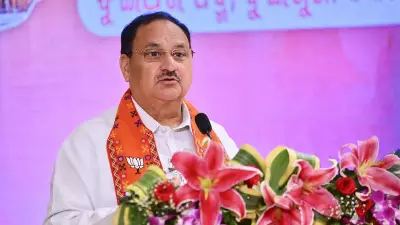
In a social media post dated March 2, 2026, Dr. Nishikant Dubey claimed that Iran provided substantial military assistance to Pakistan during critical periods of conflict with India. Specifically, he stated, "Iran gave money, aircraft, and weapons to Pakistan to fight against us, meaning India, in 1965 and 1971." This statement was accompanied by a visual post that quickly circulated across various digital platforms.
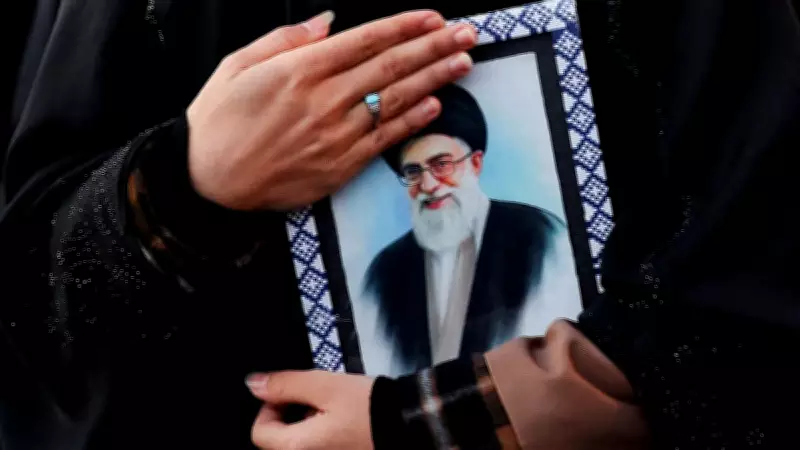
However, numerous social media users and historical observers were quick to challenge the timeline presented in Dubey's claim. The primary counter-argument highlighted that the period between 1965 and 1971 predates the leadership of Ayatollah Ali Khamenei, who became Iran's Supreme Leader in 1989 following the Islamic Revolution. During the 1965 and 1971 conflicts, Iran was under the rule of Shah Mohammad Reza Pahlavi, whose foreign policy and regional alliances differed significantly from the post-revolutionary government.

Historical Context and Diplomatic Relations
The historical relationship between Iran and Pakistan during the mid-20th century was indeed complex. Under the Shah's regime, Iran maintained generally cordial relations with Pakistan, partly due to shared security concerns and regional dynamics. However, the extent and nature of military support during India-Pakistan conflicts remain subjects of historical analysis and diplomatic records.
India's relations with Iran have evolved through various phases, from the Shah's era to the current Islamic Republic. The 1965 war between India and Pakistan occurred during a period of Cold War alignments, while the 1971 conflict led to the creation of Bangladesh. These events involved multiple international actors, with regional powers like Iran playing roles that historians continue to examine.
Political Implications and Public Discourse
Dr. Nishikant Dubey's statement has sparked broader conversations about historical narratives in contemporary political discourse. As a prominent BJP parliamentarian, his remarks carry weight in public discussions about India's foreign policy history and regional geopolitics.
The online debate has highlighted several important aspects:
- The need for accurate historical referencing in political statements
- Public awareness of Middle Eastern political chronology
- The role of social media in fact-checking political claims
- Ongoing public interest in India's conflict history and international relations
This incident demonstrates how historical claims can quickly become focal points for public engagement and scrutiny in the digital age. The response from netizens underscores a growing trend of citizen-led verification of political statements against established historical records.
As the discussion continues, it raises questions about how historical narratives are constructed, remembered, and utilized in contemporary political contexts. The episode serves as a reminder of the intersection between historical accuracy, political communication, and public discourse in today's interconnected information environment.